+32 460 23 96 44

On this page
- Why Most Jewelry Websites Look Good… But Don’t Sell
- The Real Reason Most Jewelry Websites Fail
- What Is a High-Converting Jewelry Website?
- The Hidden Fear Every Jeweler Has Before Hiring a Developer
- Jewelry Website Design Examples
- Grand Diamonds: From Product Listing to Buying Journey
- Forevery.one: Turning Brand Emotion into Digital Experience
- Bespoke Luxury Case: Designing for Experience, Not Just Sales
- Shemesh Goud: Elevating Perception from Basic to Premium
- Shemesh Diamonds: Removing Friction from the Buying Journey
- Persee Paris: Building Digital Luxury Through Simplicity
- Rauschmayer: Strengthening Trust Through Structure
- Armas Luxury: Creating a Powerful B2B Experience
- Les Saisons: Balancing B2B and Retail Experience
- Diamonds 24x7: Scaling Without Losing Control
- What These Examples Reveal
- Common Mistakes Jewelers Make with Websites
- Must-Have Features in a Jewelry Website (SEO Section)
- How to Choose the Right Jewelry Website Developer
- Why Generic Developers Fail in Jewelry
- Why Jewelexperts Webshop Studio Is Built Differently
- Final Thoughts: Your Website Is Either Building Trust… or Losing It
Why Most Jewelry Websites Look Good… But Don’t Sell
Every jeweler reaches this moment.
You open your website, look at your products, and think — my jewelry is premium, my craftsmanship is strong… so why am I not getting consistent online sales?
Then comes the next thought:
Maybe I need a new website.
But immediately, hesitation follows.
What if I spend money and nothing changes?
What if the developer doesn’t understand my business?
What if it looks good but still doesn’t convert?
This is the real problem.
Jewelers are not lacking in design. They are lacking a conversion-focused design built specifically for jewelry buyers.
Jewelry is emotional. It is high-value. It requires trust before a transaction.
And that changes everything about how a website should be designed.
In this blog, we are not just showing “beautiful websites.” We are breaking down real jewelry website design examples powered by Webshop Studio by Jewelexperts.com — and more importantly, why they work.
By the end, you will understand exactly what kind of website you actually need — and what mistakes to avoid before hiring any developer.
The Real Reason Most Jewelry Websites Fail
Most jewelry websites don’t fail because of poor design.
They fail because they don’t understand how jewelry is bought.
A customer doesn’t land on your website thinking, “This looks nice, I’ll buy.”
They arrive with hesitation:
Is this brand trustworthy?
Will the product look the same in real life?
What if I don’t like it after buying?
Why is this priced this way?
And if your website doesn’t answer these questions within seconds, the visitor leaves.
This is where most jewelers get stuck.
They know they need a better website—but they don’t know what better actually means.
They talk to developers, get proposals, see designs… but one question keeps coming back:
“Will this actually bring me customers?”
This blog is your answer.
Not theory. Not trends.
But real jewelry website design examples built through Webshop Studio by Jewelexperts.com, explained in a way that shows why they convert—and how you can apply the same thinking.
What Is a High-Converting Jewelry Website?
A high-converting jewelry website is one that builds trust instantly, removes buyer hesitation, and guides visitors toward a confident purchase decision.
It works by:
Making products feel real and premium
Answering doubts before they are asked
Reducing friction in browsing and buying
Reflecting credibility within seconds
In jewelry, design is not about impressing.
It is about reassuring.
The Hidden Fear Every Jeweler Has Before Hiring a Developer
Before we look at examples, let’s address what truly stops jewelers from taking action.
It’s not the budget.
It’s uncertainty.
Most jewelers quietly think:
“What if I invest in a website and nothing changes?”
“What if the developer doesn’t understand my business?”
“What if I get stuck depending on someone for every update?”
“What if it looks good but doesn’t sell?”
These fears are valid.
Because most developers build websites based on design logic.
But jewelry requires buyer psychology.
And that difference changes everything.
Jewelry Website Design Examples
Now let’s break down real examples powered by Webshop Studio—and what makes them work.
Grand Diamonds: From Product Listing to Buying Journey
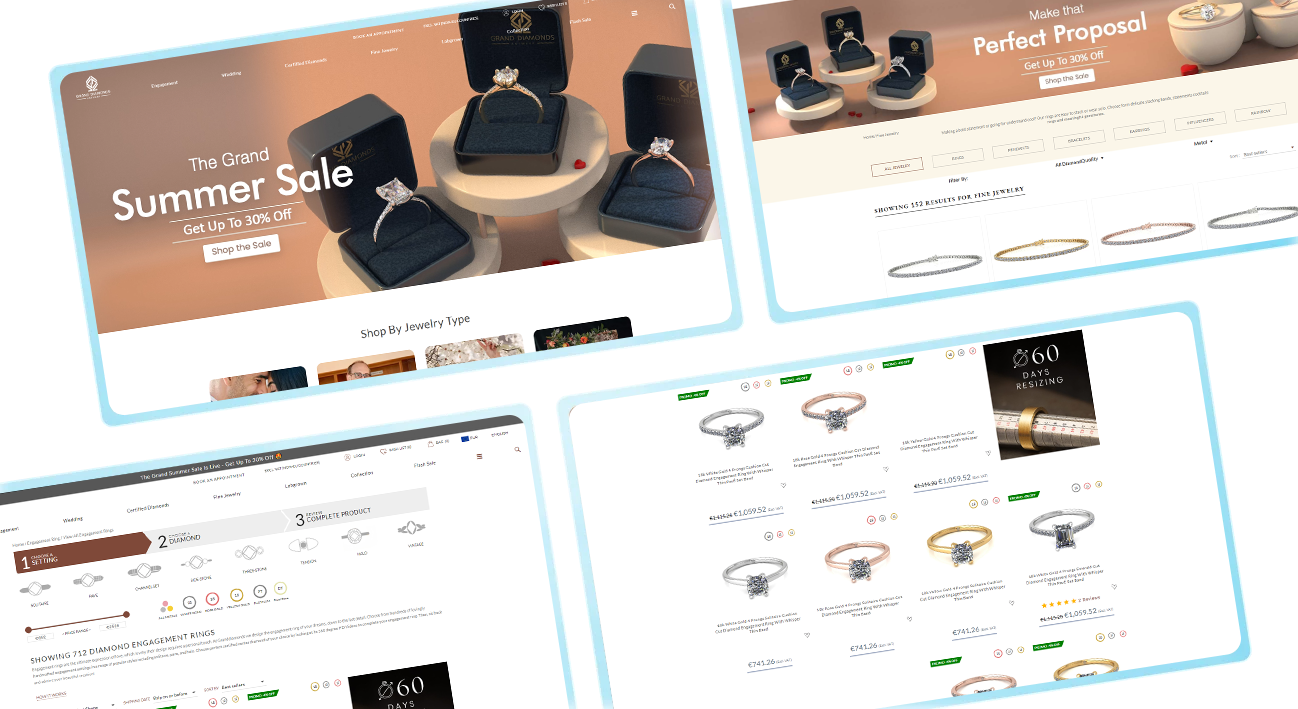
Grand Diamonds had products. Plenty of them.
But the problem was direction.
Visitors could browse, but they didn’t know where to go next.
There was no structure guiding decision-making.
The transformation focused on:
Clear category hierarchy
Strong homepage flow
Product pages are designed to answer doubts
Instead of overwhelming the buyer, the website began guiding them step by step.
This reduced decision fatigue—and when decision fatigue drops, conversions rise.
Forevery.one: Turning Brand Emotion into Digital Experience
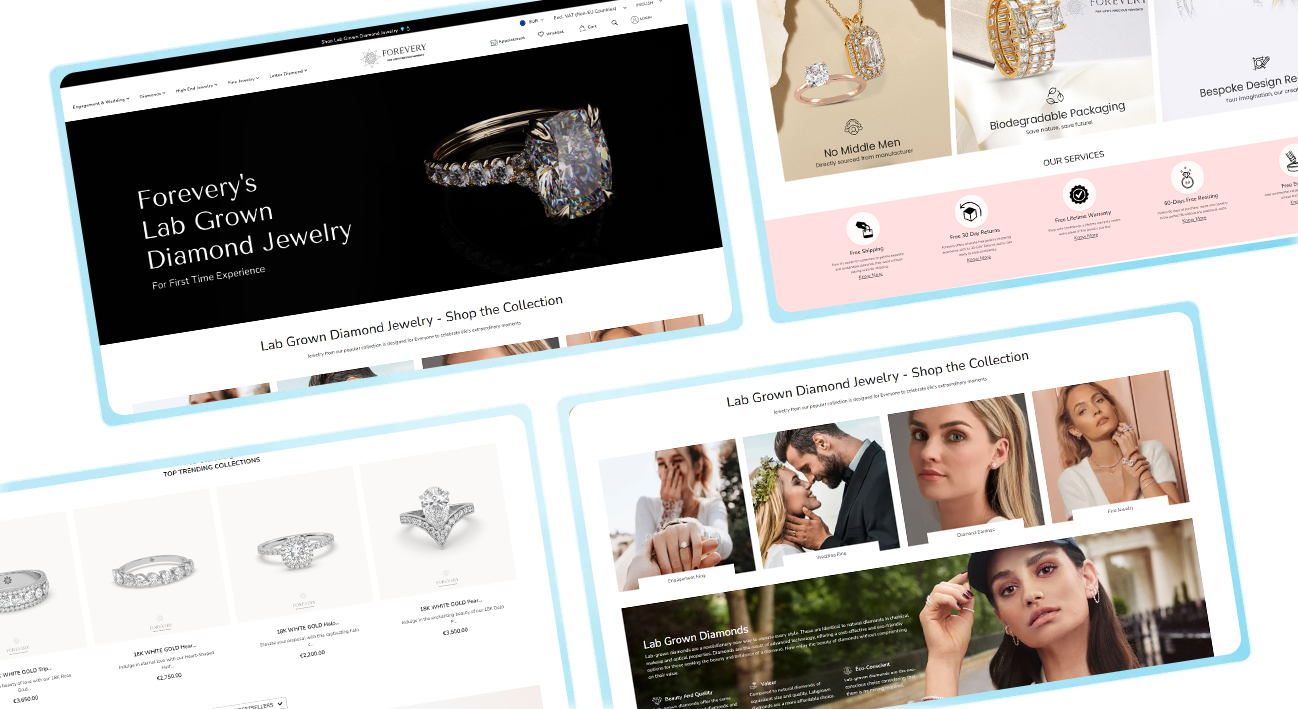
Forevery.one already had a strong identity.
But their website wasn’t communicating it.
The shift here was strategic.
Instead of pushing products immediately, the website began with connection.
Storytelling elements were introduced.
Visual tone was aligned with brand emotion.
The experience became more human.
This change increased engagement time—and trust.
Because in jewelry, people don’t just buy products.
They buy meaning.
Bespoke Luxury Case: Designing for Experience, Not Just Sales
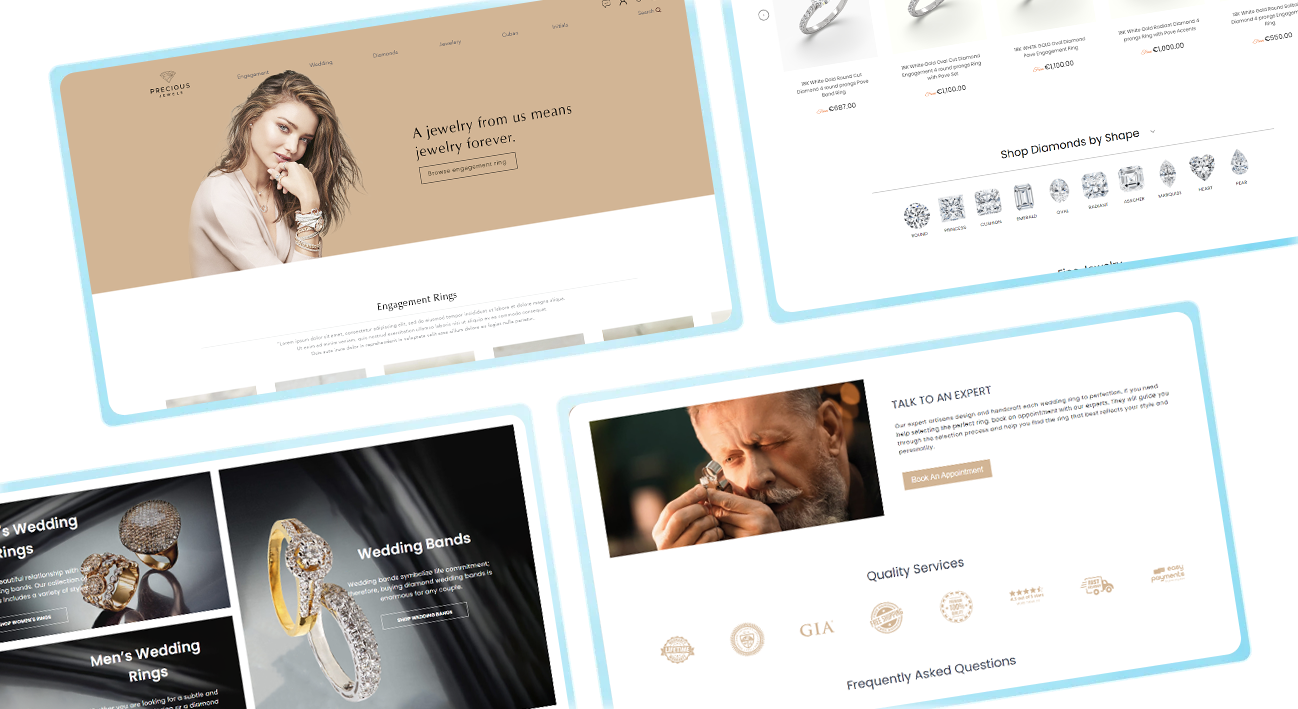
Some jewelry brands don’t fit into standard eCommerce models.
This was one of them.
Instead of building a traditional product-first website, the approach shifted to experience-first design.
Navigation became curated.
Product discovery became intentional.
Every section felt exclusive.
The result was not just a website—but a digital showroom.
This works because luxury buyers don’t want speed.
They want certainty and experience.
Shemesh Goud: Elevating Perception from Basic to Premium
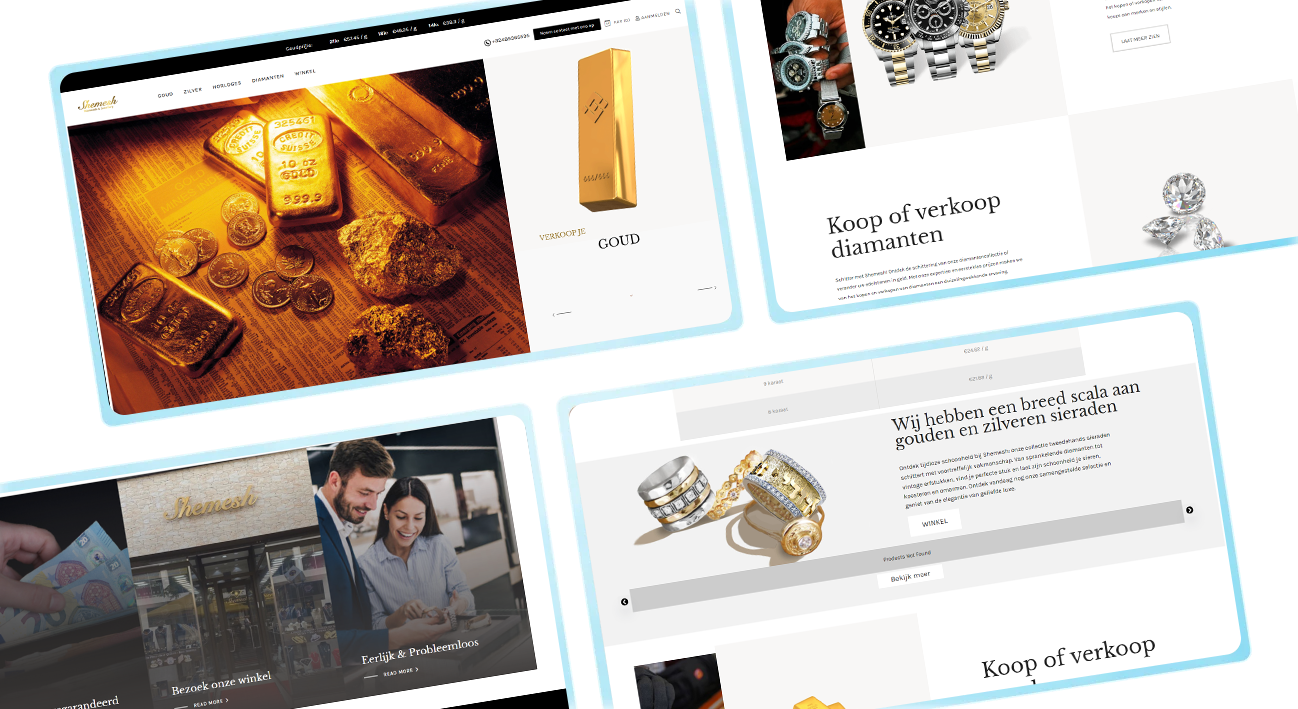
Shemesh Goud’s original website was functional—but forgettable.
And in jewelry, perception defines value.
The redesign focused on:
Strong visual hierarchy
Better product presentation
Cleaner layout
The goal was simple:
Make the customer feel the value before reading it.
Because perception creates trust—and trust drives purchase.
Shemesh Diamonds: Removing Friction from the Buying Journey
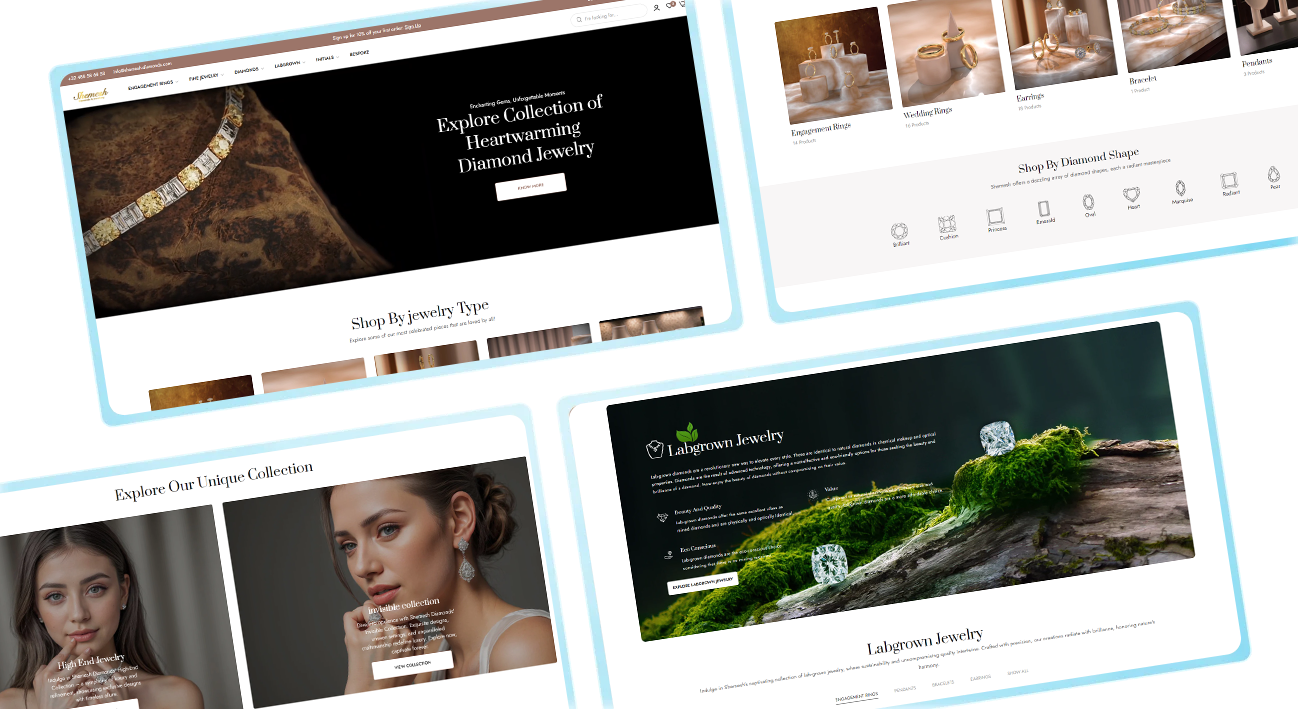
This transformation was not about a visual change.
It was about flow.
Users were dropping off due to small friction points:
Confusing navigation
Slow transitions
Unclear product paths
The redesign removed these barriers.
Everything became smoother, faster, clearer.
When a website feels effortless, users stay longer.
And when they stay longer, they buy more.
Here is the full Case Study on Shemesh Diamonds
Persee Paris: Building Digital Luxury Through Simplicity
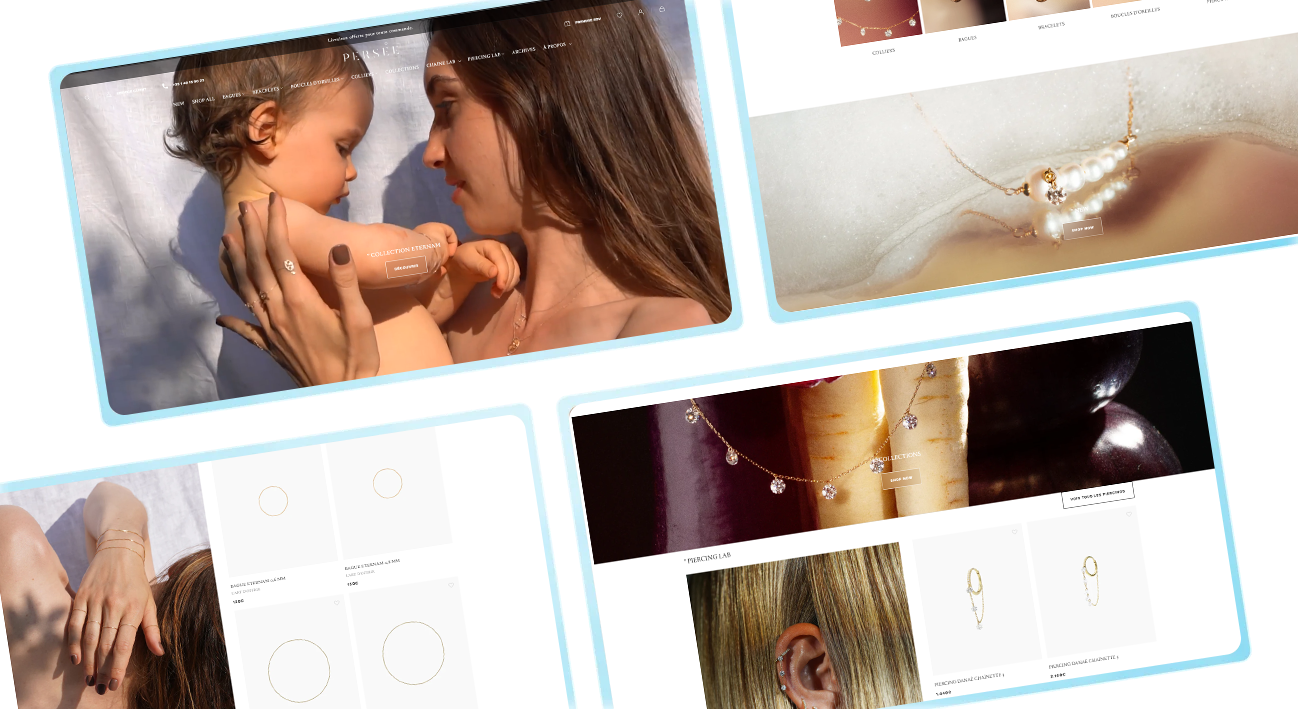
Persee Paris required elegance without noise.
The solution was minimalism.
Large product visuals
Refined typography
Controlled spacing
No clutter. No distractions.
This works because luxury is not loud.
It is confident and calm.
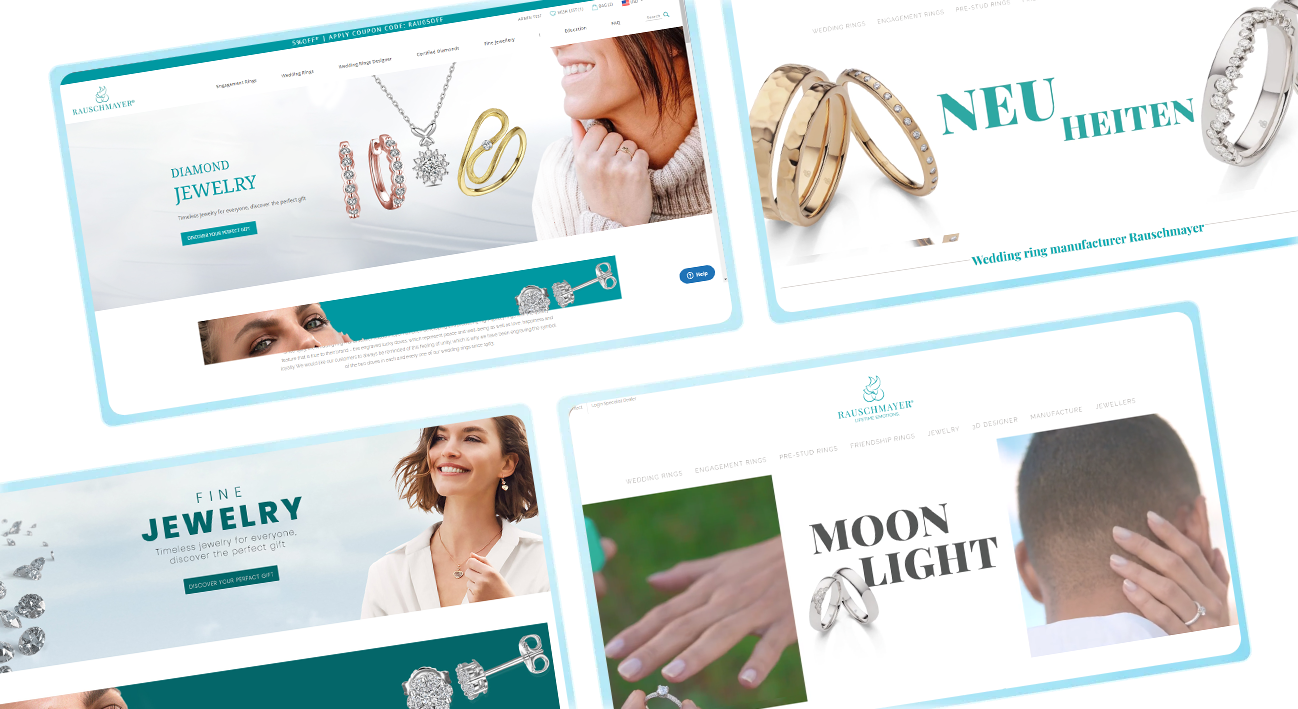
Rauschmayer: Strengthening Trust Through Structure
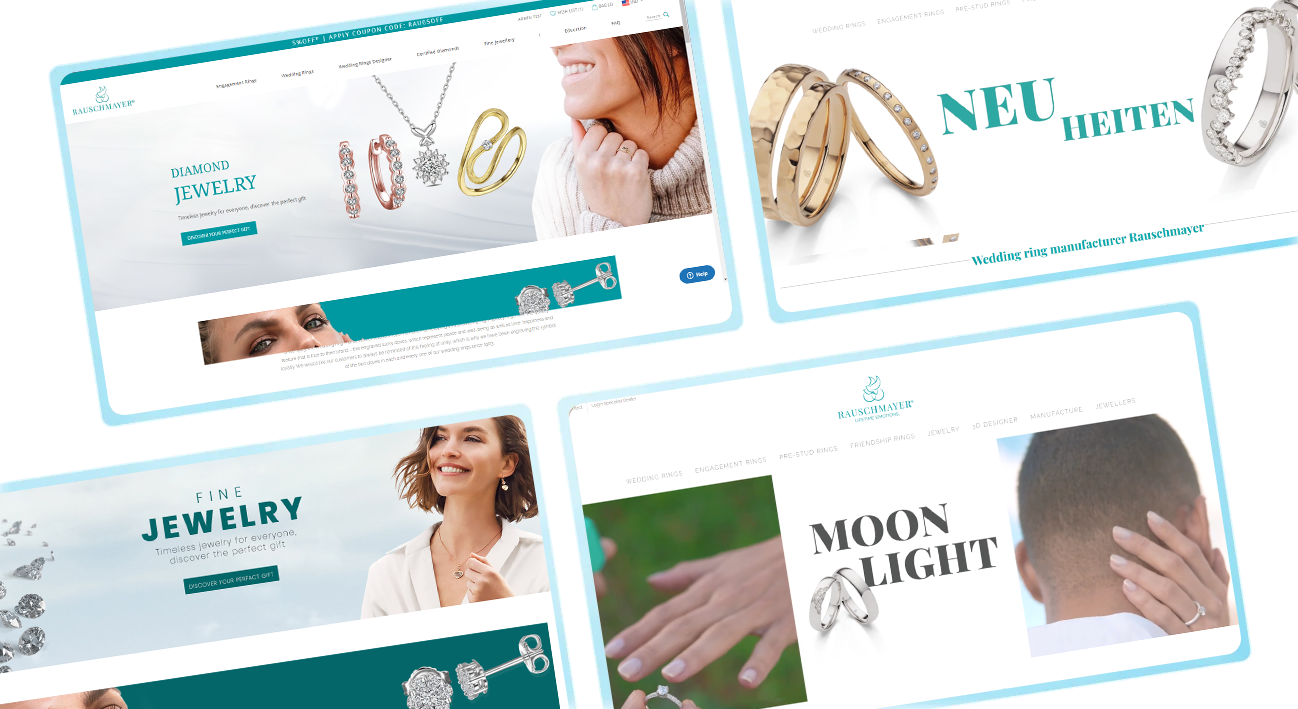
For Rauschmayer, legacy was key.
The website needed to communicate credibility instantly.
The redesign introduced:
Strong storytelling
Clear product explanations
Structured navigation
This helped users understand not just what they were buying—but why it mattered.
And clarity builds trust faster than design alone.
Armas Luxury: Creating a Powerful B2B Experience
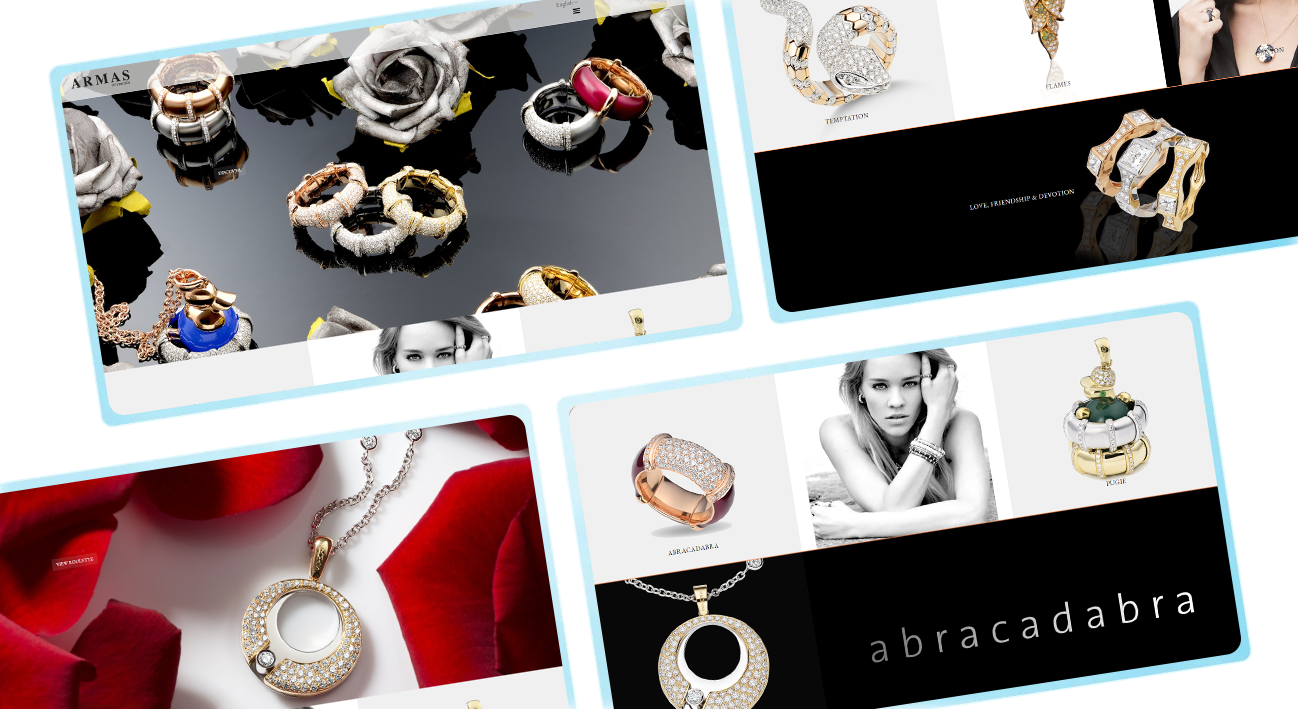
B2B jewelry websites are often overlooked.
But they are critical.
Armas Luxury needed:
Fast access to collections
Clear product organization
Smooth business interaction
The redesign focused on efficiency.
Because B2B buyers don’t want exploration.
They want clarity and speed.
Les Saisons: Balancing B2B and Retail Experience
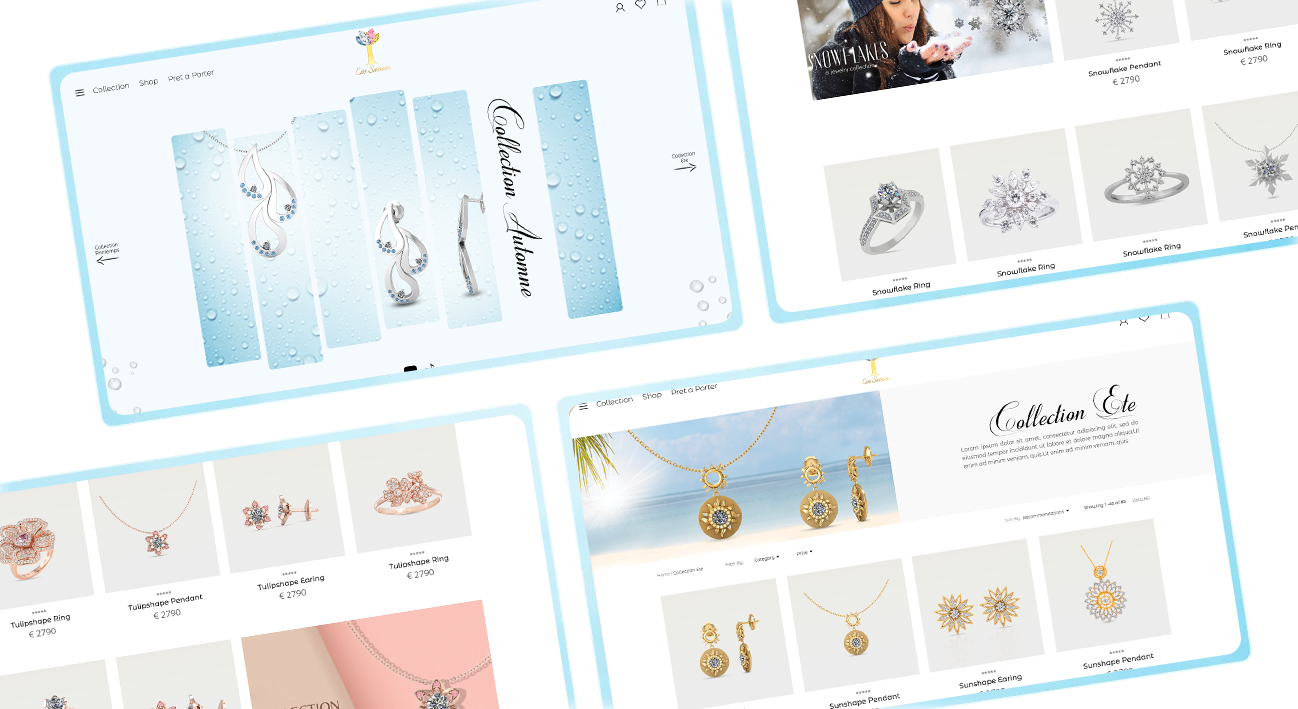
This was a dual-audience challenge.
Retail buyers and business buyers have completely different needs.
The solution was structured pathways.
Each user type could navigate easily without confusion.
This increased usability—and reduced bounce rate.
Read Full Case Study Here
Diamonds 24x7: Scaling Without Losing Control
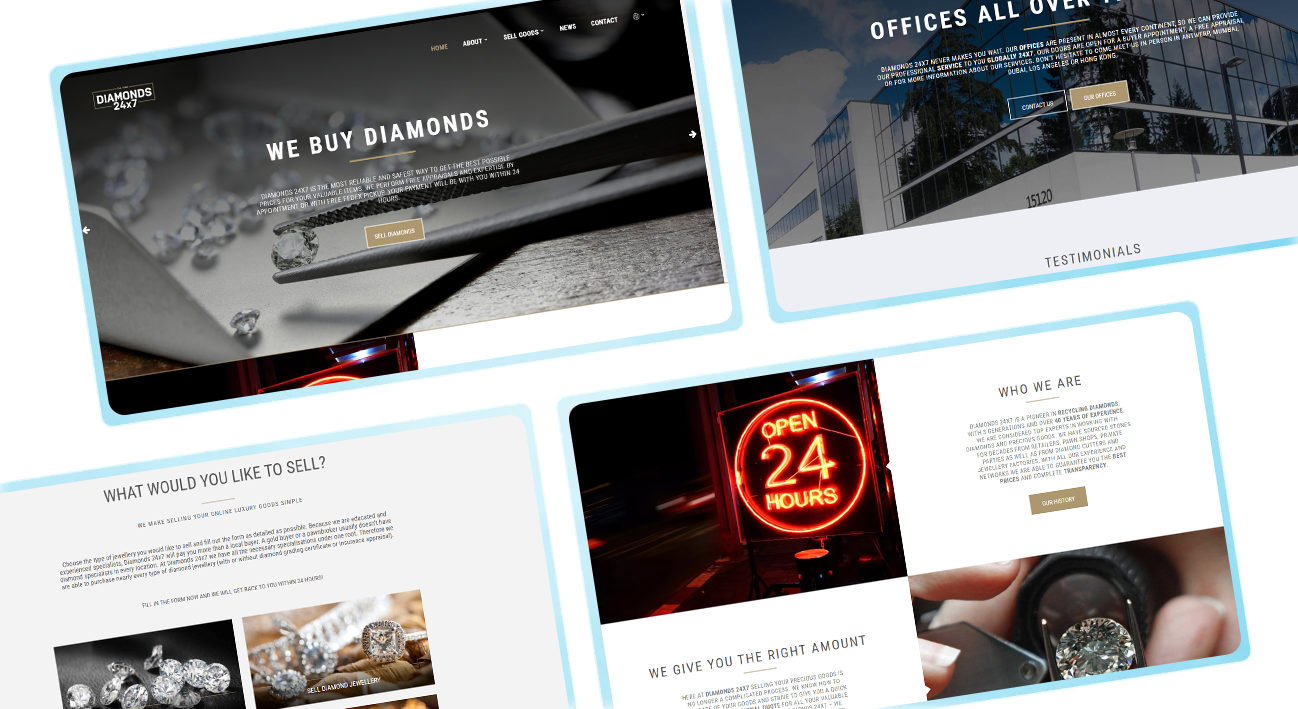
Diamonds 24x7 required scale.
Large inventory. Complex structure.
The risk was overwhelming for users.
The redesign solved this through:
Smart categorization
Performance optimization
Simplified browsing
This allowed the platform to grow without losing usability.
What These Examples Reveal
Across all these cases, one pattern is clear:
High-performing jewelry websites are not built randomly.
They are designed to:
Reduce confusion
Build trust quickly
Guide decisions naturally
And most importantly:
They are built specifically for jewelry buyers.
Common Mistakes Jewelers Make with Websites
Many jewelers unknowingly hurt their own conversions.
The most common mistakes include:
Trying to copy fashion websites
Overloading the homepage
Using poor-quality product images
Hiding important details like pricing or policies
Making navigation complex
These mistakes create doubt.
And doubt kills sales faster than anything.
Must-Have Features in a Jewelry Website (SEO Section)
A successful jewelry website must include:
High-quality zoomable images
Clear product specifications
Trust signals (certifications, policies)
Easy navigation and filtering
Mobile-first experience
Fast loading speed
These are not “extra features.”
They are conversion essentials.
How to Choose the Right Jewelry Website Developer
This is where most decisions go wrong.
Before hiring, ask:
Have they worked with jewelry brands before?
Do they understand buyer psychology?
Can they explain how their design improves conversions?
Will you be able to manage the website easily?
Red flags include:
Generic portfolios
Focus only on design, not performance
Lack of industry understanding
Choosing the wrong developer doesn’t just waste money.
It delays growth.
Why Generic Developers Fail in Jewelry
Jewelry is different.
It involves:
High trust
Emotional buying
Longer decision cycles
Generic developers don’t design for this.
They build layouts.
But jewelry requires experienced design.
Why Jewelexperts Webshop Studio Is Built Differently
Webshop Studio by Jewelexperts.com is designed specifically for jewelers.
Every decision is based on:
Real buyer behavior
Industry insights
Conversion-focused thinking
It is not about making your website look better.
It is about making it perform better.
Final Thoughts: Your Website Is Either Building Trust… or Losing It
A jewelry website is not just a digital presence.
It is your first impression.
Your silent salesperson.
Your trust builder.
Your conversion engine.
If it is not doing these things, it is holding your business back.
The examples you saw are proof that when done right, a jewelry website doesn’t just attract visitors.
It converts them.
And that is the difference between having a website—and having a system that grows your business.
Interesting Reads
Shopify vs Custom Jewelry Website: Which One is Right for Your Brand
Cost of Jewelry E-commerce Website Development
Jewelry Website Development Guide
How to Set Up a Jewelry Store on Shopify: A Simple Guide
Top Best Practices to Make a Mobile-Friendly Website
How Good Design Can Help Sell More Jewelry Online