+32 460 23 96 44

On this page
- What is 3D Jewelry Rendering?
- Getting Started: The Right Tools for the JobTo begin 3D jewelry rendering, you'll need the right Jewelry Rendering Software. Some popular tools include Blender, Rhino, and 3ds Max. Each of these programs has its own set of features for modeling, texturing, and rendering, so choosing the right one depends on your needs and skill level.Key Elements of Jewelry RenderingUnderstanding a few basics can help improve your work. First, focus on creating detailed models, applying realistic textures, and setting up proper lighting. These fundamentals are essential for making your final render look as realistic as possible. Using CAD (Computer-Aided Design) and 3D software can also help you catch issues with a design before it's physically made.The Importance of Realistic RenderingWhen rendering jewelry, realism is crucial. It gives customers a better idea of what they’ll be purchasing, especially in an online store. The more lifelike your renderings are, the more confident buyers will feel about their purchases. Realistic visuals reduce the chances of returns and improve sales.Advanced Techniques for Stunning Jewelry Renders
- Real-Life Success Stories
- Conclusion: Mastering 3D Jewelry Rendering
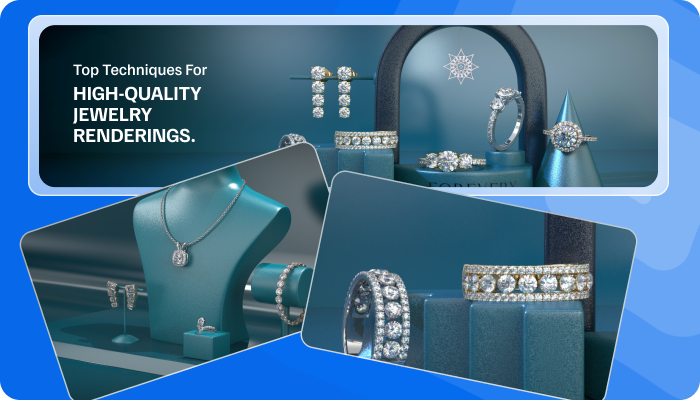
Creating realistic and eye-catching 3D jewelry renders can greatly improve how designers and marketers present their products. Whether you're trying to showcase your designs or market your jewelry, 3D rendering offers a way to show intricate details in a lifelike manner. In this article, we'll guide you through the basics of 3D Jewelry modeling and Rendering, share tips and tricks, and explain top techniques to create high-quality jewelry renderings.
What is 3D Jewelry Rendering?
3D jewelry rendering is the process of creating a digital version of a jewelry design using specialized software. This technique allows designers to visualize how a piece will look before it's made, and it plays a significant role in showcasing jewelry to potential buyers.
.png "3D Jewelry Rendering")
Getting Started: The Right Tools for the Job
To begin 3D jewelry rendering, you'll need the right Jewelry Rendering Software. Some popular tools include Blender, Rhino, and 3ds Max. Each of these programs has its own set of features for modeling, texturing, and rendering, so choosing the right one depends on your needs and skill level.
Key Elements of Jewelry Rendering
Understanding a few basics can help improve your work. First, focus on creating detailed models, applying realistic textures, and setting up proper lighting. These fundamentals are essential for making your final render look as realistic as possible. Using CAD (Computer-Aided Design) and 3D software can also help you catch issues with a design before it's physically made.
The Importance of Realistic Rendering
When rendering jewelry, realism is crucial. It gives customers a better idea of what they’ll be purchasing, especially in an online store. The more lifelike your renderings are, the more confident buyers will feel about their purchases. Realistic visuals reduce the chances of returns and improve sales.
Advanced Techniques for Stunning Jewelry Renders
.png "3D Jewelry Rendering")
Realistic Lighting Effects
Ray tracing simulates how light travels and interacts with objects. It's an essential technique for achieving photorealistic images. When used correctly, ray tracing can create realistic reflections and lighting effects, making jewelry pieces look shiny and lifelike.
Texturing and Materials
To make your jewelry look authentic, you need to apply the right textures and materials. Advanced texturing techniques can replicate the look of various metals, gemstones, and other materials. By adjusting these elements carefully, you can add small details that will make your renders stand out.
Automate the Rendering Process
You can automate parts of the rendering process to save time, especially if you're dealing with repetitive tasks. Tools like Forest Pack and RailClone can help with this by allowing you to quickly generate complex geometry while maintaining a streamlined workflow.
Lighting Setup
Lighting is one of the most important factors in creating a realistic render. In jewelry rendering, you want to use a combination of natural and artificial light sources. For example, using softbox lighting can help reduce harsh shadows and make the jewelry pieces look more appealing.
Using Natural Elements to make rendering look realistic
Placing jewelry in a realistic environment can add to its visual appeal. For instance, showing a ring on a marble surface or a necklace on a velvet cloth adds a touch of elegance and context that enhances the overall presentation.
Virtual Try-Ons
Virtual try-ons are becoming increasingly popular in the jewelry industry. Using augmented reality (AR) and advanced algorithms, you can allow customers to "try on" jewelry virtually using their smartphone or computer. This helps buyers feel more confident in their purchase decisions without needing to visit a physical store.
3D Configurators for Customization
Interactive 3D configurators allow customers to customize jewelry pieces. They can select different metals, gemstones, and designs in real-time. Offering this level of customization provides a unique and engaging shopping experience that can increase sales.
Color Correction and Grading
After rendering, it's important to perform color correction to make sure the colors in your render look natural and true to life. This step ensures that brightness, contrast, and saturation are adjusted correctly.
Adding Final Touches
The final touches involve refining textures and adding small details that enhance the realism of the render. This includes adding subtle reflections or perfecting the shine on gemstones, ensuring the jewelry looks as polished as possible.
Preparing Renders for Presentation
Once everything looks perfect, it's time to prepare your renders for presentation. This includes exporting them in high resolution, ensuring they're in the correct format, and showing the jewelry from multiple angles to highlight its features.
Real-Life Success Stories
At JewelExperts. com, we’ve worked with clients to create stunning 3D Jewelry modeling and Rendering that have helped them improve sales and customer satisfaction. One client mentioned that our renderings allowed them to showcase their products before manufacturing, which helped speed up the entire process.
This shows how powerful 3D rendering can be in the jewelry industry.
Read Related Stories here:
What is 3D Jewelry Rendering and How Does It Work?
How to choose and compare 3D CAD Software for jewelry design?
Conclusion: Mastering 3D Jewelry Rendering
Mastering 3D jewelry rendering takes practice, but with the right tools and techniques, anyone can achieve stunning results. From understanding basic Jewelry modeling and Rendering to using advanced rendering techniques, each step is important for creating realistic jewelry visuals. By following the tips shared in this article, you can elevate your jewelry designs and create images that attract and engage customers.