+32 460 23 96 44


You've poured your heart and soul into crafting exquisite jewelry pieces, building a loyal clientele, and establishing a solid online presence. But now, you're facing a daunting prospect: migrating your jewelry website. It's understandable to feel a wave of anxiety. After all, studies show that nearly half of all website migrations result in a dip in traffic. The risks are real: lost search rankings, frustrated customers, and even the dreaded data loss.
But here's the good news: a website migration doesn't have to be a nightmare. In fact, with careful planning and a strategic approach, it can be a transformative experience for your business. A new website can showcase your jewelry in its best light, streamline the shopping experience, and ultimately drive more sales.
What to Expect from this Guide🤔
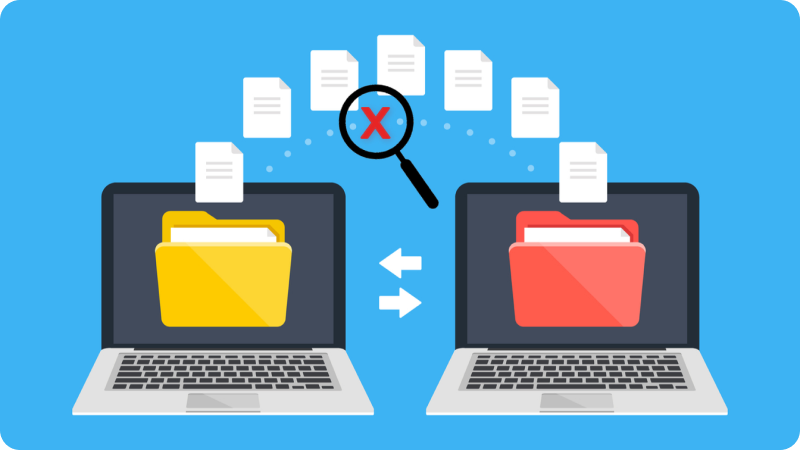
This comprehensive guide empowers you, the jewelry business owner, to confidently navigate every step of the website migration process. We'll cover everything from pre-migration planning and platform selection to content migration, testing, launch strategies, and ongoing optimization.
By the time you've finished reading, you'll have a clear roadmap to a successful migration and the knowledge and confidence to avoid common pitfalls. So, let's roll up our sleeves and get started!
Why Migrate Your Website?
Before we dive into the nitty-gritty of the migration process, let's explore why you might consider this undertaking in the first place:
Outdated Design: Is your website looking a bit dated? A fresh, modern design can significantly enhance your brand image and appeal to a wider audience.
Limited Functionality: Does your current platform lack the features you need to showcase your jewelry effectively? A new platform might offer advanced product display options, customization features, or improved inventory management.
Poor User Experience: Are visitors struggling to navigate your site or complete purchases? A well-designed website with intuitive navigation can dramatically improve the customer experience and increase conversions.
Technical Issues: Are you experiencing slow loading times, broken links, or other technical problems? A new platform can offer improved performance and reliability.
Rebranding: Perhaps you're rebranding your business or launching a new product line. A website migration is the perfect opportunity to align your online presence with your evolving brand identity.
Section 1: Pre-Migration Planning and Preparation
A successful website migration requires careful planning and preparation. This phase lays the groundwork for a smooth transition and sets the stage for a sparkling new online presence.
1.1 Define Your Objectives:
Think about what you want to achieve with your new website. Do you want to:
Elevate Your Brand: Give your brand a fresh, modern look that resonates with your audience.
Enhance Functionality: Unlock new features like product customization, wishlists, or social media integration.
Improve User Experience: Make it easy for customers to navigate and purchase, increasing conversions.
Boost Performance: Eliminate slow loading times and technical glitches for a seamless shopping experience.
Align with Your Brand: Ensure your website reflects your current branding and messaging.
Set measurable goals, like increasing traffic or improving conversion rates, to guide your decisions and track progress.
1.2 Platform Selection:
Choose the e-commerce platform that will serve as the foundation of your online store. Research popular options like:
Shopify: User-friendly with an extensive app store.
BigCommerce: Robust features for growing businesses.
Magento: Highly customizable, ideal for large stores.
WooCommerce: Flexible WordPress plugin for online stores.
Consider factors like scalability, features, ease of use, pricing, and customer support. Pay special attention to platform-specific features that benefit jewelry businesses.
1.3 Content Audit and Inventory:
Clean up your virtual storefront window by auditing your existing content:
Product Descriptions: Ensure they are accurate, engaging, and informative.
Images: Use high-resolution photos that accurately represent your jewelry.
Blog Posts and Articles: Update or remove outdated content.
Pages and Categories: Organize them for easy navigation.
Create an inventory of everything you want to migrate to your new website to stay organized.
1.4 Timeline and Budget:
Website migrations can vary in complexity. Set a realistic timeline with milestones for each phase, from planning to launch and post-launch optimization.
Establish a budget that includes platform fees, design and development costs, content creation, migration tools, and marketing expenses. A well-planned budget prevents unexpected costs.
Section 2: Building Your New Jewelry Website
With your plans in place, it's time to start building your dazzling new online home. This section will walk you through designing an enticing storefront, carefully moving your content, and ensuring your search engine visibility remains intact.
2.1 Design and Development: Your Virtual Showroom
Imagine walking into a stunning jewelry boutique – gleaming displays, elegant lighting, and a warm, inviting atmosphere. That's the experience you want to replicate online. Your website is your virtual showroom, and its design should reflect the quality and craftsmanship of your jewelry.
Here are some key design considerations:
Visual Appeal: Choose a clean, elegant layout that allows your jewelry to take center stage. Use high-quality images with good lighting to showcase your pieces in their best light.
User-Friendly Navigation: Make it easy for visitors to find what they want. Use clear menus, logical categories, and a prominent search bar.
Mobile Responsiveness: More and more people are browsing the web on their smartphones and tablets. Ensure your website adapts seamlessly to different screen sizes and devices.
Accessibility: Design your website with accessibility in mind, so that people with disabilities can use it easily. This might include providing alt text for images, using high-contrast colors, and ensuring compatibility with screen readers.
Specific features that benefit jewelry websites:
High-Resolution Image Galleries: Showcase your jewelry from multiple angles with large, high-resolution images.
Zoom Functionality: Allow customers to zoom in on details like gemstone cuts and metal finishes.
360-Degree Product Views: Offer an immersive experience by letting customers view your jewelry from all angles.
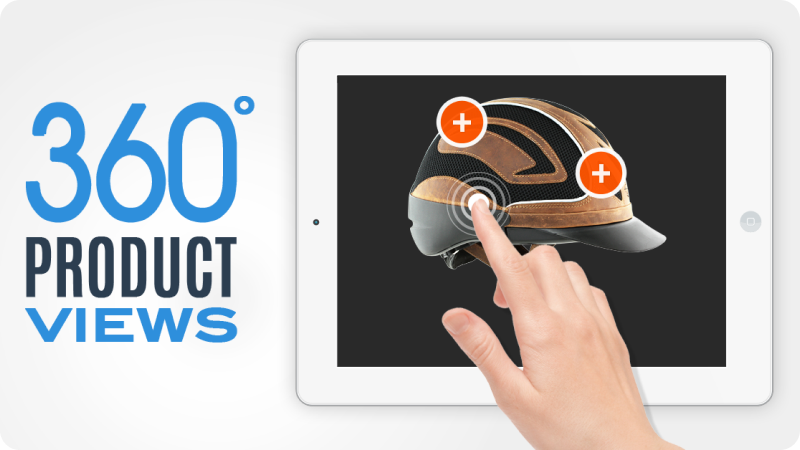
Product Filtering and Sorting: Help customers find the perfect piece by allowing them to filter by style, metal, gemstone, price, and other criteria.
Clear Calls to Action: Guide customers towards making a purchase with prominent "Add to Cart" buttons and clear checkout instructions.
By investing in a well-designed and user-friendly website, you'll create an online experience that delights customers and encourages them to browse, explore, and ultimately, purchase your jewelry.
2.2 Content Migration and Optimization: A Careful Transition
Moving your content to your new website is like packing up your old store and setting up shop in a new location. It requires careful planning and attention to detail to ensure nothing gets lost or damaged in the process.
Start by creating a detailed inventory of all the content you want to migrate, including:
Product descriptions
Images
Blog posts and articles
Pages and categories
Transfer your content meticulously, maintaining formatting and internal linking. Double-check everything to ensure accuracy and consistency.
Here are some additional tips for optimizing your content:
Keywords: Research relevant keywords that potential customers might use to search for your jewelry. Incorporate these keywords naturally into your product descriptions and meta tags to improve your search engine visibility.
Image Optimization: Compress images to reduce file size and improve loading times. Use descriptive filenames and alt text for images to enhance accessibility and SEO.
Fresh Content: Regularly update your blog with engaging content that showcases your expertise and interests potential customers.
2.3 SEO Preservation: Protecting Your Hard-Earned Rankings
Search engine optimization (SEO) is crucial for driving organic traffic to your website. A website migration can disrupt your SEO efforts if not handled carefully. However, with a few strategic steps, you can maintain and improve your rankings.
Implement 301 redirects from your old website's URLs to the corresponding URLs on your new website. This tells search engines that your content has moved and helps preserve your link equity.
Update your XML sitemaps and submit them to search engines like Google and Bing. This will help them crawl and index your new website more quickly.
Regularly monitor your organic traffic and rankings using tools like Google Search Console. Investigate the cause and take corrective action if you notice any significant drops.
By proactively addressing SEO during your migration, you can ensure that your new website continues to attract organic traffic and maintain its visibility in search results.
Section 3: Testing and Quality Assurance
Before unveiling your new website to the world, rigorous testing is paramount. This ensures a seamless customer experience and prevents costly post-launch headaches.
Functionality Testing: Thoroughly test all website features, including links, forms, and the shopping cart. Click every button, fill out every form, and complete a few test purchases. Don't forget to test your website on different browsers and devices to ensure compatibility.
Performance Testing: Your website's speed and performance are critical for user satisfaction and search rankings. Use tools like Google PageSpeed Insights to assess your website's loading times and identify areas for improvement. Optimize images and code to ensure a lightning-fast experience.
Security Testing: Protecting your customers' sensitive information is non-negotiable. Implement SSL certificates to encrypt data transmitted between your website and users. Conduct regular vulnerability scans to identify and address potential security risks. Consider partnering with a cybersecurity expert to ensure your website is fortified against cyber threats.
Section 4: The Big Launch and Post-Migration Tasks
The launch of your new jewelry website is a significant milestone, marking the culmination of your meticulous planning and hard work. But it's not the finish line; it's the starting point of a new chapter in your online journey.
4.1 Launch Strategies: A Smooth Unveiling
The way you launch your new website can set the tone for its success. Aim for a smooth, seamless transition that minimizes disruptions for your customers.
Off-Peak Timing: Consider launching during off-peak hours or days when your website traffic is typically lower. This will give you time to address any unforeseen technical issues without impacting your customers' experience.
Backup Plan: Always have a backup plan in place. This could involve temporarily reverting to your old website if you encounter major problems or having a team of experts on standby to troubleshoot any issues that arise.
Clear Communication: Inform your customers about the upcoming launch well in advance. Utilize email marketing, social media, and other channels to create buzz and excitement. Explain the benefits of your new website and highlight any new features or improvements.
4.2 Post-Launch Monitoring: Staying Vigilant
Once your new website is live, it's crucial to monitor its performance closely. This will help you identify and address any issues promptly, ensuring a positive user experience.
Traffic and User Behavior: Keep a close eye on your website traffic using analytics tools like Google Analytics. Monitor how visitors interact with your website, which pages they visit, and how long they stay. This data will reveal valuable insights into what's working and what might need improvement.
Conversion Rates: Track your conversion rates, such as the percentage of visitors who add items to their cart or complete a purchase. If you notice a drop in conversions, investigate the cause and make necessary adjustments.
Error Monitoring: Regularly check for broken links, 404 errors, or other technical glitches. Fix these issues as soon as possible to avoid frustrating your customers.
4.3 Marketing and Promotion: Spreading the Word
Your new website deserves a grand entrance. Don't be shy about announcing its launch to the world.
Email Marketing: Send an email blast to your subscribers announcing the launch and highlighting the benefits of your new website. Consider offering a special discount or promotion to incentivize them to visit.
Social Media: Leverage your social media channels to create buzz and excitement. Share eye-catching images of your jewelry, behind-the-scenes glimpses of your new website, and testimonials from satisfied customers.
Paid Advertising: Consider running targeted ads on platforms like Google Ads or social media to reach a wider audience and attract new customers.
By actively promoting your new website, you can generate traffic, boost sales, and build momentum for your online presence.
Navigating the complexities of a website migration can be a daunting task, especially for busy jewelers who are already juggling multiple responsibilities. At JewelExperts.com , we understand the unique challenges you face.
That is why we are providing you with Webshop Studio - An E-commerce Solution for Jewelers. With this solution, Custom jewelry website design can help increase your sales.
We can handle your website migration, from planning and design to launch and ongoing optimization. We'll ensure a seamless transition, so you can focus on what you do best – creating and selling exquisite jewelry.
Section 5: Ongoing Maintenance and Optimization
Your website migration journey doesn't end with the launch. Ongoing maintenance and optimization are essential to ensure continued success.
Regular Backups: Back up your website data regularly to safeguard against data loss due to technical glitches or cyberattacks. Many e-commerce platforms offer automated backup solutions.
Software Updates: Keep your e-commerce platform and plugins up-to-date to benefit from the latest features, security patches, and performance enhancements.
SEO Optimization: SEO is an ongoing process. Continuously monitor your search rankings, refine your keyword strategy, and create fresh, engaging content to attract organic traffic.
Conclusion
Migrating your jewelry website is an investment in your business's future. With careful planning and execution, it can transform your online presence and elevate your brand. By defining clear objectives, choosing the right platform, meticulously migrating your content, and implementing sound SEO practices, you can ensure a seamless transition and a website that truly sparkles.
Remember, your website is your digital storefront. A successful migration can lead to increased traffic, improved customer engagement, and more sales.
We understand that this process can be overwhelming. That's where JewelExperts.com comes in. Our team of experts specializes in jewelry e-commerce website migrations. We'll handle all the technical details, so you can focus on creating and selling beautiful jewelry.