+32 460 23 96 44

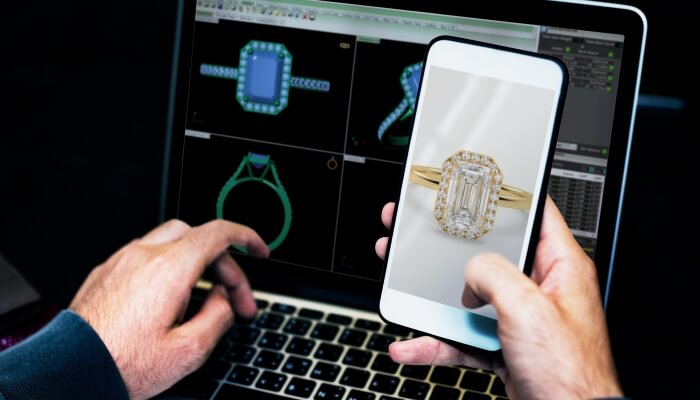
Visuals are essential in jewelry sales since they help highlight each piece’s special details. While traditional photos are widely used, 3D rendering has become a more effective, affordable option. With online shopping on the rise, 3D models allow customers to explore jewelry from every angle, adding excitement to the shopping experience.
This article looks at the ways 3D jewelry visualization benefits brands and their customers.
3D Jewelry modeling is the first step in creating digital jewelry. It involves making a 3D representation of a piece of jewelry, like a ring or necklace. Designers use special software, such as Rhino or Blender, to create these models. The model is made up of points connected to form shapes, which represent the design of the jewelry piece.
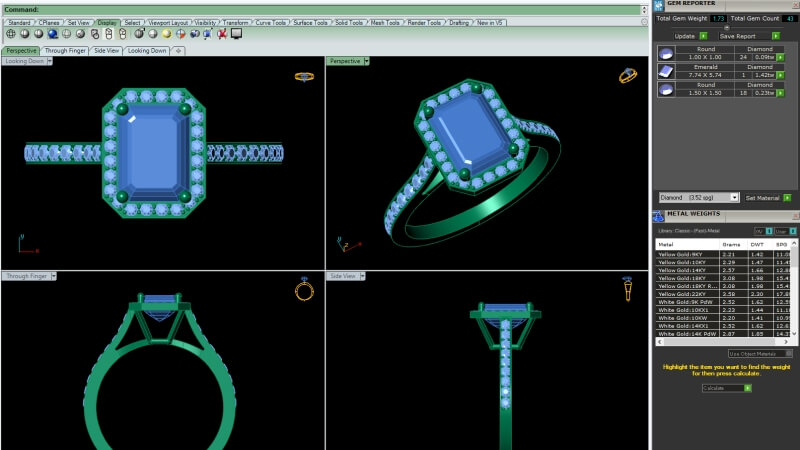
Key Benefits of 3D Jewelry Modeling:
Design Flexibility: 3D models can be easily changed. If you want to try different styles or sizes, it’s simple to modify the model.
Efficient Planning: It helps designers visualize the piece before making it. This way, any potential problems can be spotted early on.
Detailed Representation: The model can show how different parts of the jewelry will fit together, helping in the design process.
What is Realistic 3D Jewelry Rendering?
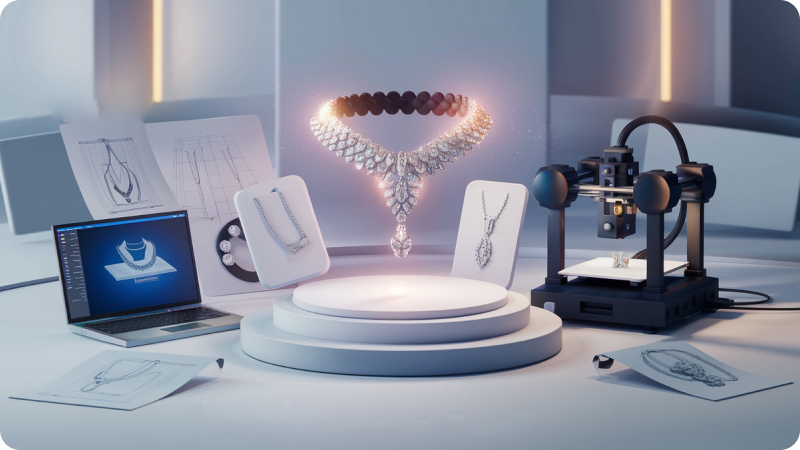
3D jewelry rendering is the creation of realistic jewelry images using computer processes. We turn CAD models or sketches into lifelike 3D images, allowing you to see the product in detail even before it is made. This service is especially useful for jewelry designers and e-commerce stores looking to highlight their products’ fine details.
3D product rendering has become a valuable tool for businesses and designers. This technology lets you see what a product will look like before it's even made, which helps you make decisions, test new ideas, and bring designs to life in a realistic way. If you’re considering 3D rendering but aren’t sure how to start, this guide breaks it down!
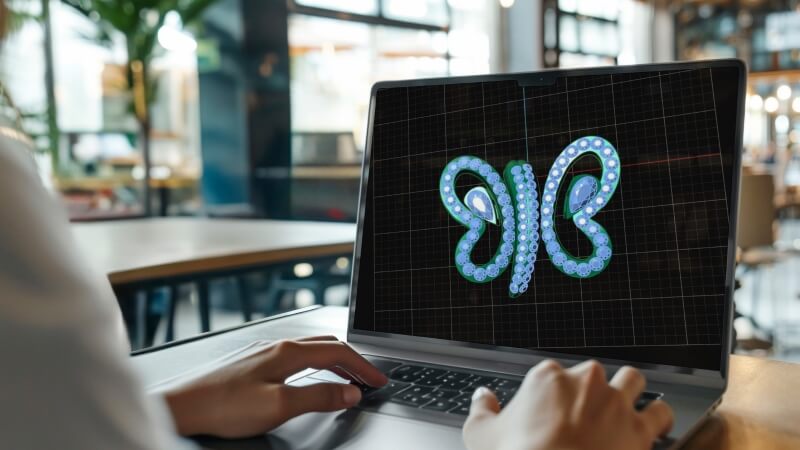
3D product rendering is another name for 3D jewelry rendering/ 3D visualization, which is a digital method that creates an image or video showing a realistic version of a product. These visuals help designers and businesses plan, test, and promote new products. They show every detail, from colors and materials to texture, so everyone involved has a clear vision of the final product.
How Does 3D Rendering Work?
3D jewelry rendering is a step-by-step process that transforms a product or scene into a two-dimensional image. Depending on the method, rendering can take anywhere from a few milliseconds to several days for a single image or frame, especially in movies.
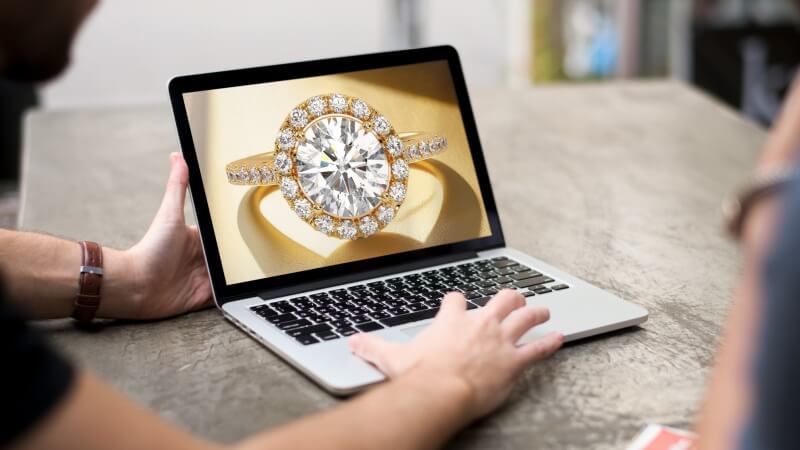
3D jewelry rendering is a step-by-step process that transforms a product or scene into a two-dimensional image. Depending on the method, rendering can take anywhere from a few milliseconds to several days for a single image or frame, especially in movies.
Steps in the 3D Rendering Process
The 3D jewelry rendering process involves several key steps:
Consultation and Vision: The process starts with a meeting to discuss the project’s goals, including the company’s needs, target market, and how the final image will be used. The client or creative director will approve the initial vision.
Analysis and Design: After the vision is approved, the team analyzes the project and makes decisions about the rendering. This includes determining details like color, texture, camera angles, lighting, and environment.
Modeling: This step creates a 3D digital version of the object. Artists use software to adjust points in virtual space (called vertices) to form a mesh. This mesh represents the object, which is typically made of geometric shapes like polygons. If needed, the object can also be animated for special effects.
3D Rendering Steps
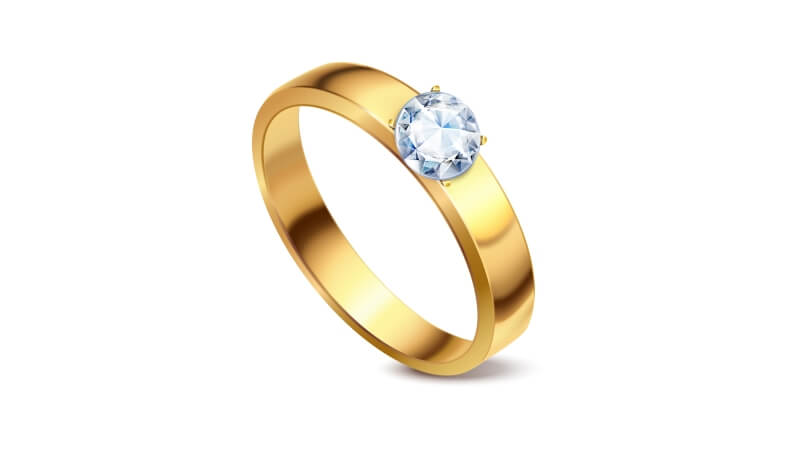 Once 3D jewelry modeling is complete, the 3D artist brings the scene to life:
Creating the Object: The artist starts by capturing the shape of the object in 3D. For example, if they want to render a spoon, they first create its geometry. Then they select the material, such as plastic or metal, and add lighting to give it depth.
Camera Setup: The artist decides where the virtual camera will be positioned, similar to how a photographer would set up a shot. They can create a single image or a sequence for animation.
Materials and Texture: The artist adjusts the material settings to accurately represent the object. This includes choices like glossy or matte finishes.
Lighting: Proper lighting is crucial. It creates shadows and reflections, making the objects appear more realistic. The artist considers how light interacts with the materials to avoid a fake look.
Details: After texturing and lighting, the artist refines the model by adding finer details to enhance realism.
Feedback and Refinement: The artist seeks feedback from the client or art director to make any necessary adjustments. They incorporate this input and submit the revised image for final approval.
Delivery: Finally, the completed image is delivered to the client or saved for future use. The resolution and format depend on how the image will be used, whether for print, web, video, or film.
This seems like a lot of fun, right? But apart from being fun 3D rendering is a must-have for many businesses. So at last let’s discover what all your business can get from 3D rendering.
2D Jewelry Rendering:
2D jewelry rendering is a technique that produces flat, two-dimensional images of jewelry pieces, often utilized in marketing and advertising. This method typically employs vector graphics software, such as Adobe Illustrator or Inkscape, to create detailed representations. However, since it displays the jewelry from only a single perspective, the rendering tends to appear less realistic and can lack the depth and dimension found in three-dimensional representations.
This method creates flat images and is commonly used for advertising. It uses software like Adobe Illustrator. However, it shows the jewelry from only one angle, making it less realistic.
Differences Between 2D & 3D Jewelry Rendering and 3D Modeling
Many of us get confused by similar names, which can lead to doubts, especially when it comes to 3D jewelry rendering. Here’s what you should know about 2D & 3D jewelry rendering and 3D modeling.
Sure! Here’s a comparison table that includes 2D Rendering, 3D Rendering, and 3D Modeling in the context of jewelry design:
In terms of popularity, all these tools are becoming more favored in the industry because it provide a more detailed and realistic view of jewelry.
Why do businesses require 3D Product Rendering and Services:
Saves Money
When you can see a high-quality 3D version of a product before making it, you avoid costly mistakes. This preview lets designers check the look, feel, and function, making adjustments before production, which saves time and money.
Speeds Up Development
Working with 3D renders allows designers, developers, and teams to collaborate on a clear, shared image. This makes it faster and easier to finalize designs without delays, helping to bring products to market more quickly.
Improves Product Quality
With consistent visuals, design teams can catch potential mistakes early and create better products. By having a clear, accurate image, everyone can work towards a common vision, which reduces errors and ensures a higher-quality final product.
Gives a Competitive Edge
High-end 3D renders highlight product features effectively, showing the best aspects of a design and attracting customers. These beautiful, realistic images give businesses an advantage by making products look their best.
Essential for E-Commerce
E-commerce platforms often require top-quality images to attract buyers. For example, Amazon and other sites prefer white-background images for product displays, and high-quality renders meet these requirements perfectly.
Boosts SEO and Engagement
High-quality 3D images can improve a website’s SEO by keeping visitors engaged for longer. This makes the site more likely to rank higher in search results, attracting even more potential customers.
Reduces Return Rates
When the product images match what customers receive, it reduces the chances of returns. Accurate, realistic images help meet customer expectations, which leads to fewer returns and better customer satisfaction.
Helps Buyers Make Decisions
Great visuals make it easier for customers to understand a product’s details, helping them make confident purchase decisions.
Supports Branding and Marketing
3D images and videos can be customized to highlight product features, creating a strong brand image. Businesses can use 3D renders in marketing campaigns to make products stand out.
Clear Communication
A high-quality image can say much more than words alone. Clear, realistic images make it easy for customers to understand the product, building trust and increasing interest.
Endless Variations
With 3D jewelry rendering, you can create multiple versions of the same product in different colors, sizes, or styles without having to physically make each variation. This flexibility is especially helpful for online stores.
Final Thoughts!!
Discover how 3D rendering and modeling can elevate your jewelry business by bringing designs to life with stunning detail. From enhanced visualization to realistic previews, 3D technology empowers you to showcase your pieces like never before. Start transforming your jewelry collection and impress customers with captivating, lifelike visuals today!
Read More Related Stories:
Ultimate Guide: Building Your Online Jewelry Website 101
The Anatomy of a High-Converting Jewelry Product Page
How To Create The Perfect Brand Strategy For Your Jewelry Business
How to Set Up Google Analytics for Jewelers
Offer customers a lifelike view of their custom jewelry with ease!!
3D Jewel Hub by JewelExperts.com makes 3D jewelry modeling and rendering simple and accessible for jewelers. Alongside it, 3D Jewel Studio brings custom jewelry designs to life with realistic previews and easy-to-use tools for personalizing details like metal type, gemstones, and engravings. Whether it’s engagement rings or wedding bands, customers can easily customize their pieces online. Jewelers can also connect 3D Jewel Studio directly to their e-commerce sites, creating an interactive shopping experience that can help strengthen customer engagement and loyalty.
Start today: new clients get 10% off their first project with us, on any product. Book an appointment to get started!