+32 460 23 96 44

Introduction
In the Jewelry Industry, high-quality visuals aren't just a bonus—they're a necessity. A well-crafted image can be the linchpin that turns a casual browser into a committed buyer. It's about showcasing your artistry in a way that resonates with potential customers, capturing the very essence of your creations.
Photorealistic renders serve as digital stand-ins for the real thing, allowing customers to virtually "try on" your jewelry and explore its intricacies from every angle. This immersive experience builds trust and excitement, leading to more confident purchasing decisions.
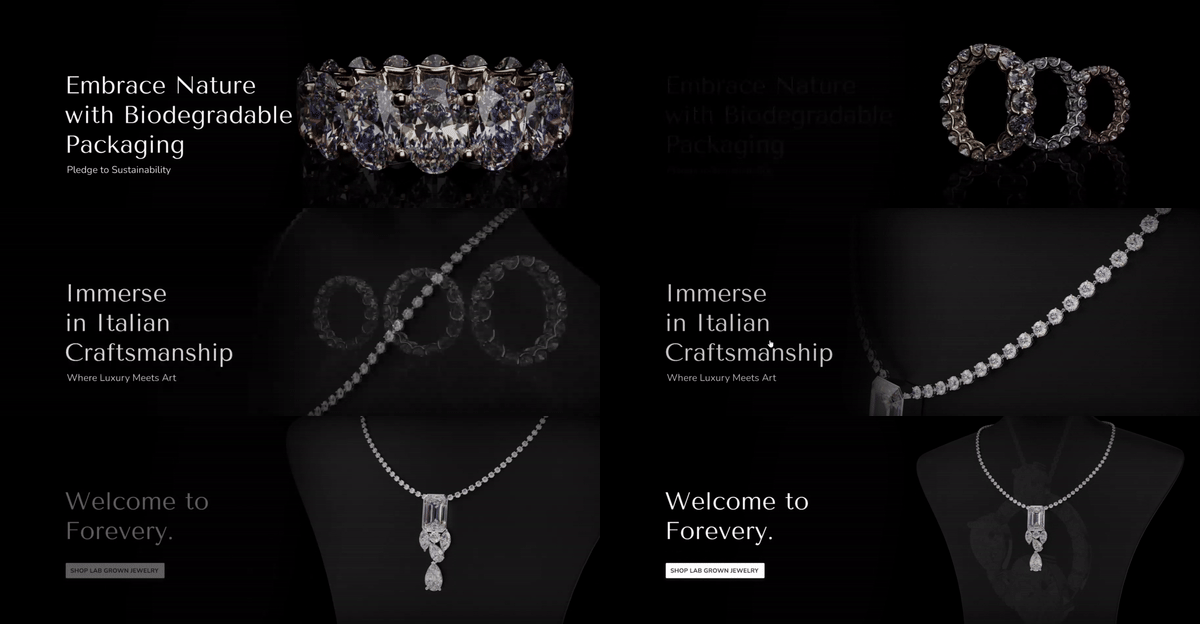
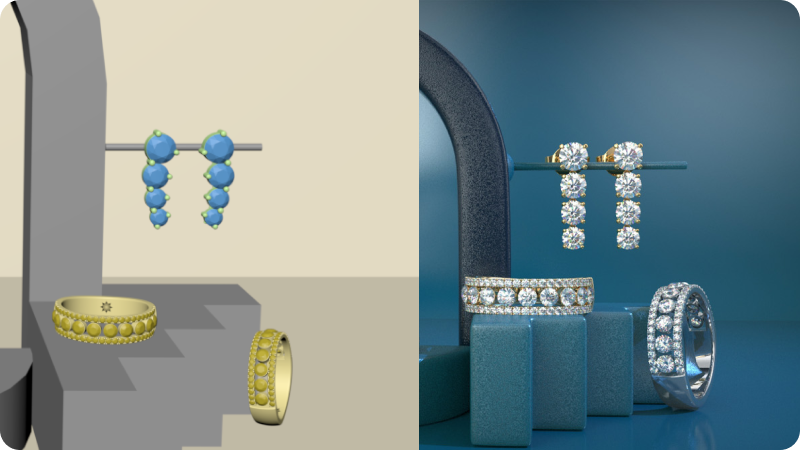
Here is an example of what photorealistic renders look like
But creating these photorealistic representations is a complex endeavor. Jewelers often grapple with several challenges:
Intricate Designs: Jewelry, by its nature, often features delicate details, complex patterns, and unique settings. Translating these elements into a 3D model requires precision and a deep understanding of form.
Material Nuances: The interplay of light on various metals and gemstones is a crucial factor in a piece's allure. Recreating the unique reflective and refractive properties of materials like gold, diamonds, and pearls demands technical expertise.
Lack of Physical Prototypes: For custom or one-of-a-kind pieces, creating a physical prototype for photography might not be feasible. This means relying entirely on digital models and rendering techniques to visualize the final product.
Lighting Mastery: Jewelry photography requires a meticulous lighting setup to avoid harsh shadows, highlight sparkle, and showcase the piece in its best light. Replicating this in a digital environment is a delicate balancing act.
Time and Cost Constraints: High-quality jewelry photography can be expensive and time-consuming. Photorealistic rendering offers a more efficient and cost-effective alternative, especially for businesses with a large inventory.
This guide will delve into the world of photorealistic jewelry rendering, equipping you with the skills and knowledge to overcome these challenges and create images that will leave your customers in awe. Whether you're a seasoned designer or just starting, you'll discover tips and tricks to elevate your online presence and turn your digital jewelry into tangible sales.
Business Implications
In the digital marketplace, compelling visuals are the key to capturing customer attention and driving sales. Photorealistic jewelry renders offer a powerful solution for jewelers seeking to enhance their online presence and boost their bottom line.
Here's how:
Elevating the Customer Experience and Driving Sales
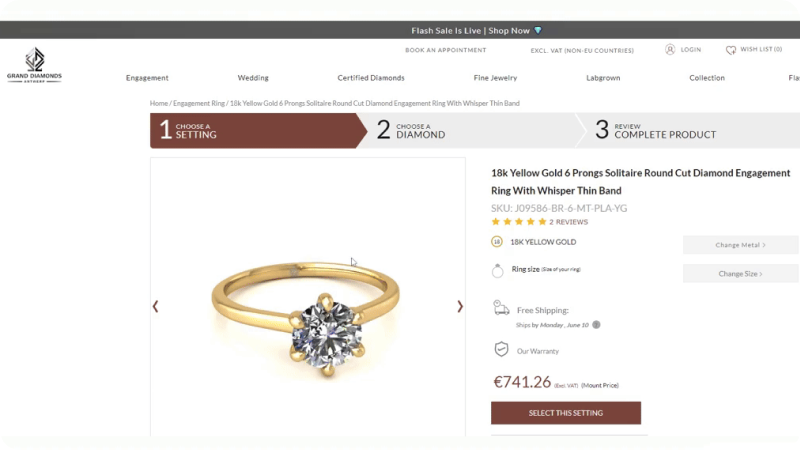
Photorealistic renders serve as a powerful tool to elevate the customer experience and ultimately drive sales by fostering trust and confidence. By allowing customers to virtually interact with jewelry pieces, they can visualize how items will look on them or in real-life settings, overcoming the uncertainty that often accompanies online purchases. This heightened sense of connection and confidence translates to increased sales conversions as customers feel more assured in their choices. Additionally, high-resolution renders provide a level of detail that surpasses traditional photographs, revealing intricate craftsmanship and subtle nuances that might otherwise go unnoticed. This transparency not only builds trust but also showcases the true value and artistry of each piece. Moreover, the ability to personalize and customize by exploring different material, color, or gemstone options adds another layer of engagement. By empowering customers to tailor designs to their individual preferences, you foster a deeper connection with your brand and products, increasing the likelihood of a purchase.
1. Expanding Your Reach and Visibility:
Photorealistic renders serve as powerful marketing assets, amplifying your brand's online presence and expanding your reach. These captivating visuals are highly shareable across social media and other digital platforms, attracting a wider audience and sparking conversations that increase brand awareness. In the realm of e-commerce, photorealistic renders break down geographical barriers, allowing your jewelry to transcend language and cultural differences, and making it accessible to a global market. Moreover, these renders can be used to create immersive virtual showrooms, offering customers a personalized and engaging shopping experience from the comfort of their own homes, regardless of their location.
2. Optimizing Resources and Streamlining Operations:
Photorealistic renders serve as powerful marketing assets, amplifying your brand's online presence and expanding your reach. These captivating visuals are highly shareable across social media and other digital platforms, attracting a wider audience and sparking conversations that increase brand awareness. In the realm of e-commerce, photorealistic renders break down geographical barriers, allowing your jewelry to transcend language and cultural differences, and making it accessible to a global market. Moreover, these renders can be used to create immersive virtual showrooms, offering customers a personalized and engaging shopping experience from the comfort of their own homes, regardless of their location.
3. Building a Stronger Brand Identity:
Photorealistic renders serve as a visual testament to your brand's commitment to quality and innovation. By investing in these high-quality visuals, you convey a sense of professionalism and attention to detail that resonates with discerning customers. Embracing cutting-edge rendering technology not only showcases your products in the best possible light but also positions your brand as forward-thinking and technologically adept, appealing to a modern, tech-savvy audience. Furthermore, offering customizable renders demonstrates your dedication to personalization and customer-centricity, allowing clients to tailor designs to their individual preferences and fostering a deeper connection with your brand.
Setting the Stage: Pre-Rendering Essentials
The journey to a photorealistic render begins long before you hit the "render" button. The foundation for a breathtaking image is laid during the pre-rendering phase, where meticulous attention to detail is crucial.
3D Modeling: The Blueprint of Brilliance
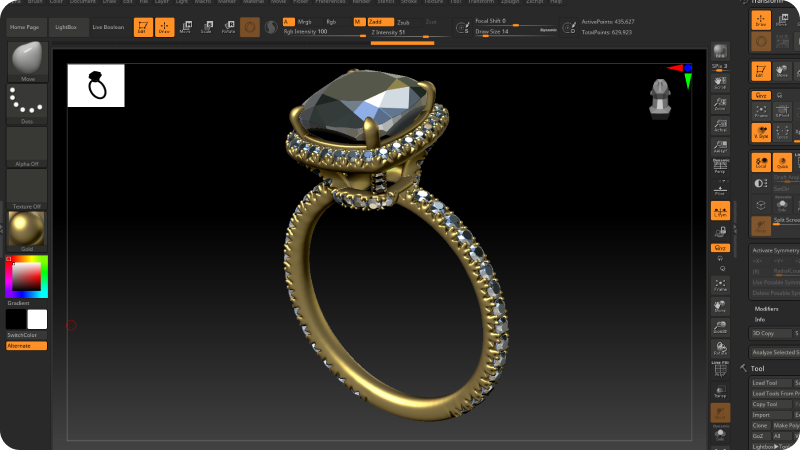
A photorealistic render is only as good as the 3D model it's based on. Accuracy and precision are key here, as every facet, curve, and prong should be faithfully represented. For intricate jewelry designs, consider using subdivision modeling techniques to create smooth, organic surfaces. Clean topology—the arrangement of polygons in your model—is essential for avoiding rendering artifacts and ensuring smooth textures.
When it comes to 3D modeling software, popular choices among jewelers include Blender, Rhino, and ZBrush. Each has its strengths and learning curve, so choose the one that aligns with your workflow and skill level.
Materials and Textures: The Art of Simulation
Selecting and applying the right materials is where your digital creation starts to come alive. Metals like gold, silver, and platinum should exhibit their characteristic sheen and reflective properties. Gemstones, whether diamonds, sapphires, or emeralds, demand accurate representation of their unique colors, fire, and brilliance.
High-quality textures and bump maps are essential for achieving photorealism. You can create your own textures using software like Substance Painter or Quixel Mixer, or you can find a wealth of resources online. Procedural textures, which are generated algorithmically, offer flexibility and scalability, allowing you to easily adjust parameters like metal roughness or gemstone clarity.
Lighting Setup: Illuminating Your Creation
Lighting plays a pivotal role in setting the mood and realism of your renders. Studio lighting setups are popular for showcasing jewelry in a controlled environment, while natural lighting can add a touch of warmth and authenticity. High Dynamic Range Imaging (HDRI) maps provide a 360-degree lighting environment, simulating the complex interplay of light in the real world.
To create a balanced and visually appealing lighting setup, consider using a three-point lighting scheme: a key light, a fill light, and a backlight. This helps to define the shape of your jewelry, fill in shadows, and create a sense of depth. Light probes and HDRI maps can further enhance realism by capturing the subtle reflections and refractions of light on your jewelry's surfaces.
Capturing the Sparkle: Rendering Techniques
With your stage set and your jewelry meticulously prepared, it's time to unleash the power of your rendering engine. This is where your digital creation transforms into a photorealistic masterpiece.
Rendering Engines: The Heart of the Process
Choosing the right rendering engine is crucial for achieving the desired level of realism. V-Ray is known for its versatility and ability to handle complex lighting scenarios, while Arnold excels at producing physically accurate results. Cycles, Blender's built-in renderer, offers a good balance of speed and quality.
Familiarize yourself with the rendering settings that affect image quality, such as sampling, ray tracing, and global illumination. These settings control how light interacts with your materials and can significantly impact the realism of your renders.
Camera Settings: Framing Your Gem
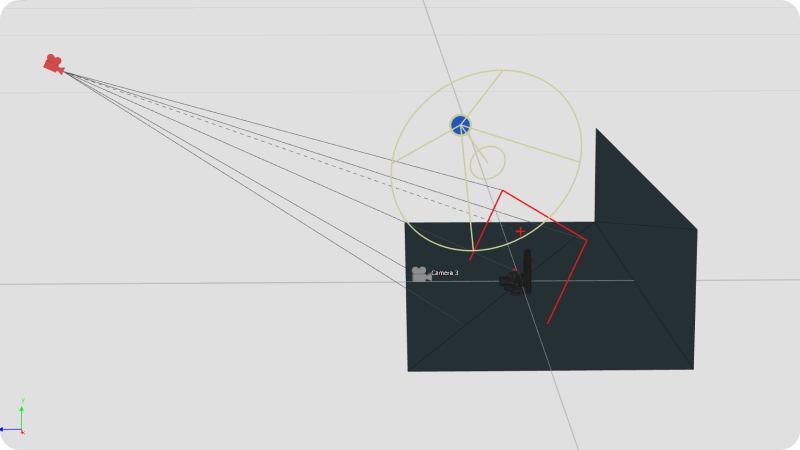
Just as a photographer chooses the right lens and angle to capture a subject's essence, you need to carefully consider your camera settings. The camera angle should highlight the most appealing aspects of your jewelry, while the focal length can be used to create a sense of intimacy or grandeur.
Depth of field (DOF) can be used to draw attention to specific details, while exposure settings control the overall brightness and contrast of your image. Experiment with different camera settings to find the perfect combination that brings your jewelry to life.
Rendering Passes: The Building Blocks of Perfection
Rendering passes are separate images that capture different aspects of your scene, such as beauty, diffuse, reflection, and refraction. These passes allow you to fine-tune your final image during post-processing, offering unparalleled control over elements like reflections, shadows, and color grading.
By combining and adjusting render passes, you can achieve a level of photorealism that would be difficult to achieve with a single image.
Polishing the Gem: Post-Processing
Post-processing is the final step in creating photorealistic jewelry renders. It's where you take your raw renders and transform them into stunning works of art.
Image Editing Software: Your Digital Workshop
Image editing software like Photoshop or Affinity Photo provides a vast array of tools for post-processing your renders. Start with basic adjustments like color correction, brightness, contrast, and sharpness. These adjustments can significantly improve the overall look and feel of your image.
Advanced Techniques: The Devil is in the Details
To achieve true photorealism, go beyond the basics and add subtle imperfections and details. Fingerprints on metal surfaces, dust particles, or slight variations in gemstone color can all contribute to a more realistic look. Enhance reflections and refractions to showcase the sparkle of diamonds and other precious stones.
Experiment with adjusting the depth of the field and creating bokeh effects for a more artistic touch. By carefully manipulating these elements, you can create images that are not only realistic but also visually stunning.
Additional Tips and Tricks
Composition and Styling: The Art of PresentationThink of your render as a composition, just like a painting or a photograph. Arrange your jewelry in a visually pleasing and balanced way. Consider using props and backgrounds that complement the style and theme of your piece. A simple velvet cushion can add a touch of luxury, while a natural background like a beach or a forest can create a sense of wonder.
Optimizing Render Times: Efficiency Matters
Rendering photorealistic images can be computationally intensive, especially for complex scenes with intricate details. To reduce render times without sacrificing quality, consider using proxy objects for complex geometries, optimizing your scene's topology, and using denoising techniques.
Common Mistakes to Avoid: Learning from Others
Even experienced artists can fall prey to common mistakes in jewelry rendering. Some of the most common errors include:
Overly perfect textures: Real-world materials have imperfections, so avoid using textures that look too clean or uniform.
Unrealistic lighting: Harsh shadows or overly bright highlights can make your render look artificial.
Incorrect proportions: Make sure your jewelry is scaled correctly in relation to other objects in the scene.
Neglecting post-processing: Don't underestimate the power of post-processing to enhance your renders and achieve photorealism.
Conclusion
Creating photorealistic jewelry renders is a journey that requires a combination of technical skills, artistic vision, and meticulous attention to detail. By mastering the essentials of 3D modeling, materials, lighting, rendering, and post-processing, you can elevate your jewelry presentations to new heights.
Remember, the best way to improve is through experimentation. Don't be afraid to try new techniques, explore different software, and find your unique style. There's a wealth of resources available online, including tutorials, forums, and communities where you can learn from other artists and share your own creations.
Embrace the power of photorealistic renders to showcase the beauty and craftsmanship of your jewelry. With dedication and practice, you can create images that captivate your audience, drive sales, and establish your brand as a leader in the world of online jewelry retail.
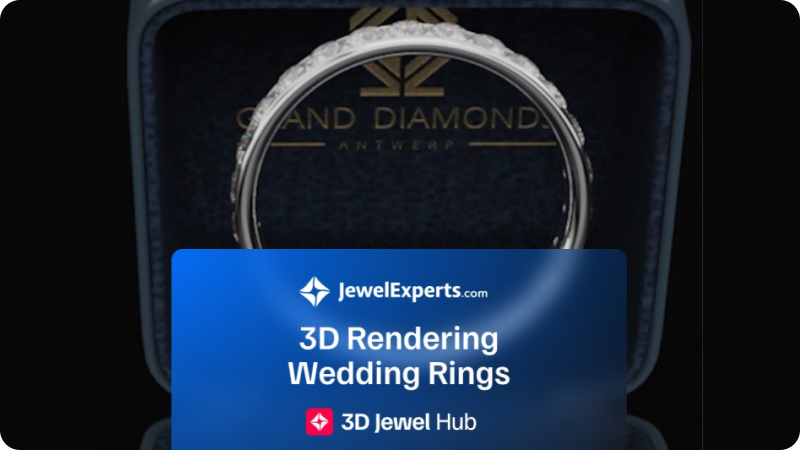
However, we understand that navigating the complexities of 3D modeling, rendering software, and post-processing techniques can be a daunting task. If you're seeking a hassle-free solution to elevate your jewelry presentations, consider partnering with JewelExperts.com. Our Jewelry 3D Rendering Services are there to create stunning photorealistic renders, allowing you to focus on what you do best – designing and crafting exquisite jewelry.