+32 460 23 96 44

On this page
- Introduction
- Section 1: Mastering the Visuals: Showcasing Your Jewelry's Brilliance
- High-Resolution Images: Your Virtual Magnifying Glass
- Immersive Experiences: 360° Views and Videos
- Lifestyle Images: Bringing Jewelry to Life
- Image Optimization: Balancing Quality and Speed
- Section 2: Crafting Enchanting Product Descriptions
- Weaving a Story, Not Just Specs
- Persuasive Language: Evoking Emotion and Desire
- Technical Details: The Facts Matter, Too
- SEO Optimization: Appealing to Search Engines
- Section 3: Building Trust and Credibility
- Section 4: Streamlining the Path to Purchase
- Section 5: Optimizing the User Experience (UX)
- Section 6: Advanced Conversion Strategies
- Conclusion
Introduction
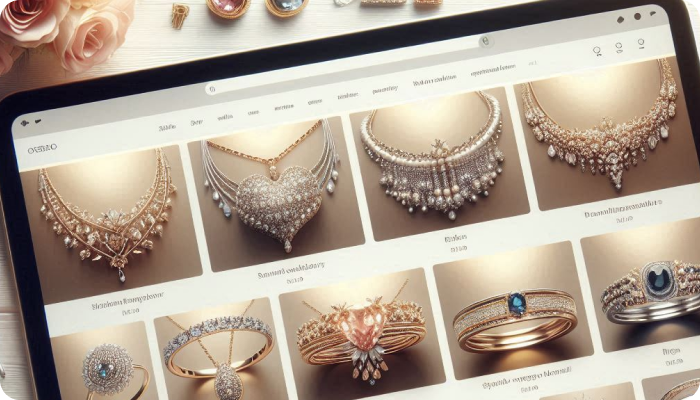
In the digital age, a jewelry product page is more than a mere catalog entry—it's your online storefront, the silent salesperson who greets every visitor, and, most crucially, the gateway to increasing your online sales. Yet, for many jewelers, transitioning the sensory experience of a physical showroom into the virtual world poses a unique challenge. The stark reality is that a staggering 70% of online shoppers abandon their carts, often due to lackluster product pages that fail to provide the information they need.
A potential customer's interest can quickly wane if your product page doesn't meet their expectations. Small, unclear images fail to showcase the intricate details and craftsmanship of your pieces, leaving shoppers unsure of what they're truly buying. Generic descriptions that lack specifics or emotional appeal don't convey the unique value and story behind your jewelry, leaving customers unconvinced of its worth. This lack of information and inspiration can lead to hesitation and ultimately cause them to leave without making a purchase.
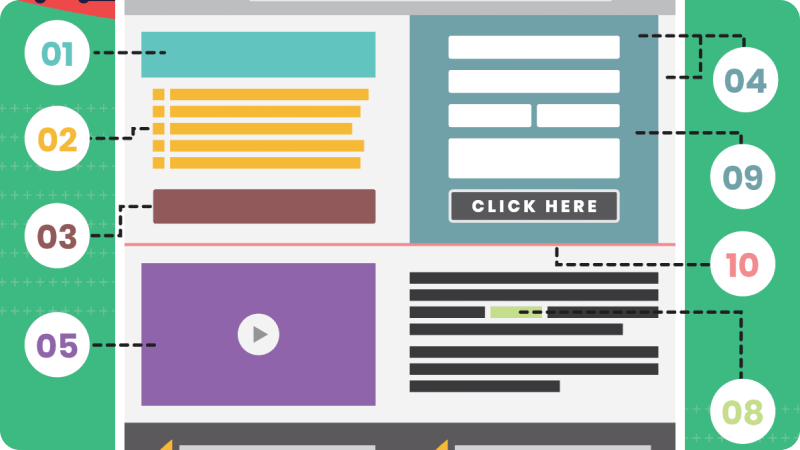
The good news is that it doesn't have to be this way. With the right approach, your jewelry product pages can be transformed into captivating experiences that not only showcase your beautiful creations but also compel customers to click that "Add to Cart" button. This isn't about flashy gimmicks or empty promises; it's about understanding the psychology of online shoppers, leveraging visual storytelling, utilizing persuasive language, and mastering the technical aspects that make a product page truly shine.
Let's delve into the art and science of creating high-converting jewelry product pages. By the time you've finished reading this guide, you'll be armed with the knowledge and tools to create product pages that leave a lasting impression, build trust, and ultimately, boost your bottom line.
Section 1: Mastering the Visuals: Showcasing Your Jewelry's Brilliance
In the world of online jewelry sales, the importance of visual presentation cannot be overstated. While high-resolution product photography is the foundation, creating a compelling visual experience requires a more nuanced approach. Think of it as the difference between simply seeing a beautiful necklace and truly experiencing its allure.
When customers step into a brick-and-mortar jewelry store, they can see the sparkle of diamonds in the light, feel the weight of a bracelet in their hand, and try on rings to see how they fit and look.
But online, these sensory experiences are limited!
That's why your product photos need to work harder. They need to convey not just the basic appearance of your jewelry, but also its texture, its details, and the emotions it evokes.
High-Resolution Images: Your Virtual Magnifying Glass
Imagine you're trying to buy a diamond ring online. A small, blurry image won't cut it. You want to see the clarity of the stone, the intricate details of the setting, and any unique characteristics that make it special. High-resolution images act like a digital magnifying glass, allowing customers to examine your jewelry closely, even zooming in to see the smallest details.
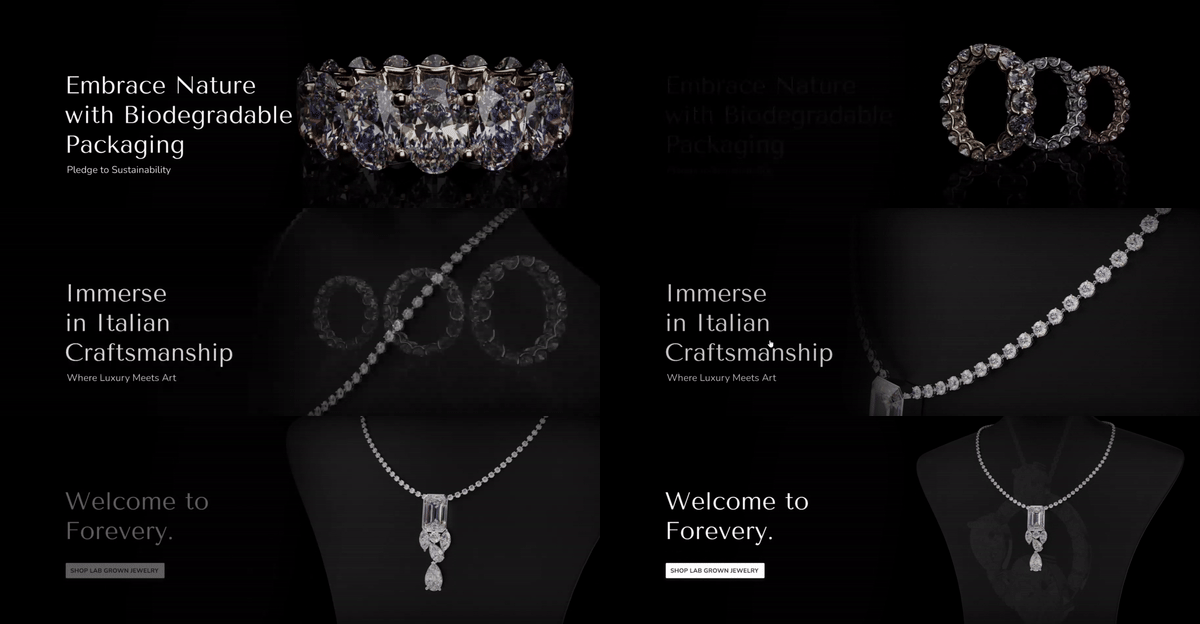
Multiple Angles and Close-Ups: Offer a comprehensive view of your jewelry by providing multiple images from various angles. Showcase the front, back, sides, and any unique design elements. Include close-up shots that highlight the intricate details, such as the prongs holding a gemstone or the delicate engravings on a pendant. These additional perspectives provide a sense of depth and dimension that a single image cannot.
Immersive Experiences: 360° Views and Videos
To further bridge the gap between the online and in-store experience, consider incorporating 360° views or videos. A 360° view allows customers to virtually rotate the jewelry and examine it from every angle as if they were holding it in their own hands. Videos can be even more engaging, showcasing the jewelry in motion, capturing its sparkle, and highlighting its unique features. These interactive elements provide a level of immersion that static images alone cannot replicate.
Lifestyle Images: Bringing Jewelry to Life
While product photos on a plain background are essential for showcasing the details of your jewelry, lifestyle images add another layer of context and appeal. Showcasing your pieces on models or in real-life settings helps customers visualize how the jewelry would look on them and how it can be styled with different outfits. A pair of earrings may look beautiful in a product photo, but seeing them worn by a model in a stylish outfit can be far more persuasive.
Image Optimization: Balancing Quality and Speed
While the quality of your images is paramount, it's equally important to ensure they don't slow down your website. Large, high-resolution images can take a long time to load, especially for users with slower internet connections. This can lead to frustration and a high bounce rate, meaning potential customers leave your site before even seeing your products.
Compression and File Formats: Optimize your images by compressing them without sacrificing too much quality. Use appropriate file formats like JPEG for photographs and PNG for images with transparency.
Lazy Loading: Implement lazy loading, a technique that delays the loading of images until they are needed. This means that when a customer first lands on your product page, only the images above the fold (the visible part of the page) will load immediately. As the customer scrolls down, the remaining images will load dynamically, improving the page's initial load time.

By implementing these strategies, you can create a visually rich and engaging experience on your jewelry product pages. Your customers will feel more confident in their purchase decisions, and you'll increase the chances of turning those clicks into conversions. Remember, investing in high-quality visuals is an investment in your brand's image and your bottom line.
Section 2: Crafting Enchanting Product Descriptions
While beautiful images undoubtedly draw the eye, it's the product description that truly sells the piece. A well-crafted description does more than just inform; it paints a picture, evokes emotions, and tells a story that resonates with the shopper. It's the bridge between admiring a piece of jewelry and desiring to own it.
Weaving a Story, Not Just Specs
Instead of merely listing technical details like metal type and carat weight, consider the story behind each piece. Where did the inspiration come from? What unique design elements or techniques were used in its creation? Perhaps it's a family heirloom reimagined, a modern take on a vintage design, or a piece inspired by nature's beauty. By sharing these narratives, you create a deeper connection between the customer and the jewelry. The piece becomes more than just an accessory; it becomes a tangible representation of a story, a moment, or an emotion.
For instance, instead of simply stating,
"This ring is made of 14k gold and features a 1-carat diamond,"
you could say,
"This solitaire ring, handcrafted in 14k gold, features a brilliant 1-carat diamond, ethically sourced from the mines of Botswana. Its timeless design is a tribute to the enduring nature of love, making it the perfect symbol of commitment for your special someone."
Persuasive Language: Evoking Emotion and Desire
The words you use to describe your jewelry matter immensely. Avoid generic terms like "nice" or "pretty," and instead, choose language that sparks the imagination and evokes specific emotions. Describe the way a diamond captures and reflects light, the subtle warmth of rose gold, or the smooth coolness of sterling silver against the skin.
Use words that resonate with the desires your jewelry fulfills. If it's a piece meant for a romantic occasion, use language that speaks to love, passion, and commitment. If it's a statement piece designed for a bold individual, use words that convey confidence, individuality, and empowerment.
However, be mindful of your brand's voice and the tone that aligns with your target audience. A brand known for its understated elegance might use more refined language, while a brand that caters to a younger, trendier audience might employ a more playful and casual tone.
Technical Details: The Facts Matter, Too
While storytelling and emotional appeal are crucial, don't neglect the essential information customers need to make an informed decision. Include clear details about the materials used (e.g., 14k gold, sterling silver, platinum), the type and quality of any gemstones (e.g., diamond, sapphire, ruby), and the dimensions of the piece. Be transparent about any treatments or enhancements the gemstones may have undergone.
If your jewelry comes with certifications, such as those verifying the authenticity of gemstones or the ethical sourcing of materials, be sure to mention them. This information can be a significant factor in a customer's decision, especially for high-value items.
Present this information in a way that's easy to understand, even for those who may not be familiar with jewelry terminology. Use bullet points or tables to organize the information, and consider including a glossary of terms for those who need further clarification.
SEO Optimization: Appealing to Search Engines
Crafting compelling product descriptions is not just about appealing to customers; it's also about attracting search engines. By incorporating relevant keywords that potential customers might use to search for your products, you can improve your visibility in search engine results pages (SERPs).
For example, if you're selling a rose gold engagement ring, make sure to include those keywords naturally in your description. Use phrases like "rose gold diamond engagement ring," "romantic rose gold ring," or "unique engagement ring in rose gold." Also, consider creating unique meta descriptions for each product page. These are the brief snippets of text that appear under your page's title in search results. A well-crafted meta description can entice users to click on your link and visit your product page.
By following these tips, you can create product descriptions that not only inform but also captivate, engage, and persuade. Remember, your product descriptions are an extension of your brand's voice and values. By crafting them thoughtfully, you can build trust with your customers and drive them to make that all-important purchase.
To summarize -
- Use relevant keywords naturally in product descriptions to improve search engine visibility.
- Include keywords like "rose gold diamond engagement ring" for a rose gold engagement ring.
- Craft unique meta descriptions for each product to entice clicks from search results.
- Thoughtful product descriptions build trust and drive purchases.
- Descriptions reflect your brand's voice and value
Section 3: Building Trust and Credibility
In the world of online shopping, trust is paramount, especially when dealing with high-value items like jewelry. Your product page must exude credibility and reassure customers that they are making a wise investment.
Social Proof: Customer reviews, ratings, and testimonials are invaluable forms of social proof. Display them prominently on your product pages. Encourage satisfied customers to share their experiences, and consider featuring their photos or videos wearing your jewelry. This not only builds trust but also adds an authentic touch to your brand.
Certifications and Guarantees: If your jewelry comes with certifications (e.g., conflict-free diamonds, ethically sourced gemstones) or guarantees (e.g., lifetime warranty, money-back guarantee), highlight them prominently. These assurances can alleviate any concerns potential customers might have about the quality or authenticity of your products.

Transparency and Authenticity: Be open and honest about your company, your sourcing practices, and your ethical commitments. Share behind-the-scenes glimpses of your design process or workshop to humanize your brand and create a connection with your customers.
Tell Your Brand Story: Every piece of jewelry has a story. Share the inspiration behind your designs, the cultural significance of certain symbols, or the history of your company. This adds depth and meaning to your products, making them more appealing to customers who value craftsmanship and authenticity.
All of these might seem like a lot of work and hence we at JewelExperts.com have a solution for you - Webshop Studio
With features like jewelry builders, personalized recommendations, and streamlined checkout, Webshop Studio helps you increase conversions and grow your revenue. Don't miss out on this opportunity to elevate your brand and reach a wider audience.
Book a Free Consultation
Section 4: Streamlining the Path to Purchase
Once you've captivated your audience with visuals and storytelling, it's time to make the purchasing process as smooth as a polished gemstone.
Clear Pricing and Information: Don't make potential customers hunt for the price. Display it prominently and transparently, including any applicable taxes or fees. Be upfront about shipping options, estimated delivery times, return policies, and customer support channels. Transparency builds trust and minimizes unpleasant surprises during checkout.
Easy-to-Use Add-to-Cart and Checkout: The path to purchase should be effortless. Minimize the number of clicks required to add an item to the cart and complete checkout. Offer a guest checkout option for those who prefer not to create an account. Provide multiple payment methods to accommodate different preferences, and ensure your payment gateway is secure. Display trust badges (e.g., Norton Secured, McAfee Secure) to instill confidence in your customers.

Call-to-Action Optimization: Your call-to-action (CTA) buttons are the final nudge that encourages customers to buy. Experiment with different button styles, colors, and text to see what works best for your audience. Place CTAs strategically throughout the product page, not just at the bottom. Create a sense of urgency with phrases like "Shop Now," "Limited Stock," or "Don't Miss Out." Consider using countdown timers for special promotions to encourage immediate action.
Section 5: Optimizing the User Experience (UX)
A seamless user experience (UX) is the cornerstone of a high-converting product page. It should be intuitive, engaging, and effortless to navigate.
Intuitive Navigation: Ensure your website's navigation is clear and logical. Use descriptive labels for categories and subcategories, and consider a breadcrumb trail to help users track their path. Offer suggestions for related products or complementary items to encourage browsing and increase the average order value.
Mobile Responsiveness: With a significant portion of online shopping happening on mobile devices, your product pages must be fully responsive. This means they should adapt seamlessly to different screen sizes, with images and layouts optimized for mobile viewing. Consider touch-friendly elements like larger buttons and a simplified navigation menu for mobile users.
Page Speed and Performance: Nobody likes a slow-loading website. Compress images, optimize code, and leverage caching to ensure your product pages load quickly. Slow loading times can frustrate visitors and lead to abandoned carts. Consider using a content delivery network (CDN) to speed up delivery to users across different geographical locations.
Section 6: Advanced Conversion Strategies
Once you've mastered the fundamentals, you can explore advanced strategies to further boost your conversion rates.
Personalization: Leverage customer data and browsing behavior to offer personalized product recommendations. Display recently viewed items or create wish lists to encourage customers to return and complete their purchase. Consider using AI-powered tools to provide tailored suggestions based on individual preferences.
Upselling and Cross-selling: Suggest complementary products that enhance the customer's initial purchase (e.g., earrings to match a necklace) or offer higher-priced alternatives with additional features or benefits. Create bundles or sets for a discounted price to incentivize larger purchases.
Live Chat and Virtual Assistance: Offer real-time support through live chat or virtual assistants to answer customer questions, provide styling advice, or help them find the perfect piece. Instant assistance can be the deciding factor for hesitant buyers.
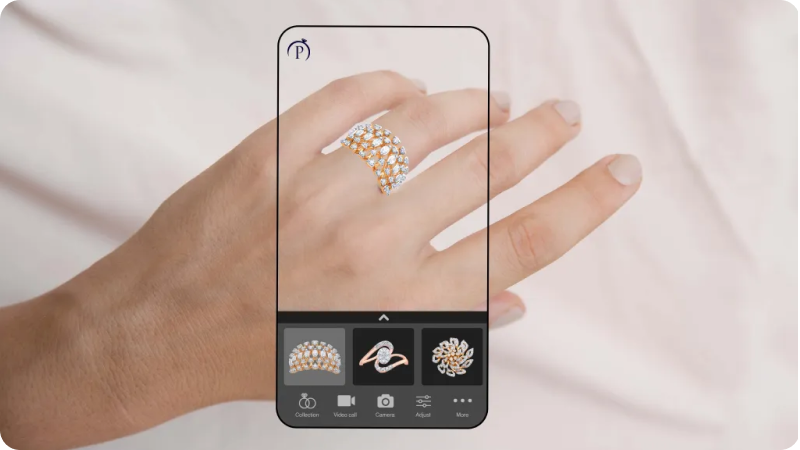
Augmented Reality (AR) and Virtual Try-On: Implement AR technology to allow customers to virtually try on jewelry from the comfort of their own homes. This innovative feature can significantly enhance the shopping experience and increase confidence in purchasing decisions.
Conclusion
Crafting high-converting jewelry product pages is a multi-faceted endeavor that requires a blend of artistry, technology, and marketing savvy. By mastering the visuals, storytelling, trust-building, and user experience, you can create product pages that captivate, inform, and ultimately, convert.
Remember, your product page is your digital storefront. Invest the time and effort to make it shine, and you'll reap the rewards in the form of increased sales, customer loyalty, and a thriving online presence.
While the rewards are substantial, we understand that optimizing your product pages can be a daunting task. Partner with JewelExperts - Simplify Your Online Jewelry Business , and let our team of experts handle the complexities for you. From stunning product photography to compelling descriptions and seamless user experiences, we'll ensure your jewelry shines online.