+32 460 23 96 44

On this page
- Step 1: Consistency is Key: The Foundation of a Strong Brand Identity
- Step 2: Essential Elements of a Jewelry Brand Style Guide: The Building Block
- The Face of Your Brand: Logo Usage
- Evoke Emotions with Color: Your Brand Palette
- Step 3: Additional Elements for a Comprehensive Jewelry Style Guide
- Step 4: Creating a User-Friendly Brand Style Guide
- Step 5: Implementing and Maintaining Your Style Guide: Living and Breathing Your Brand
- Conclusion
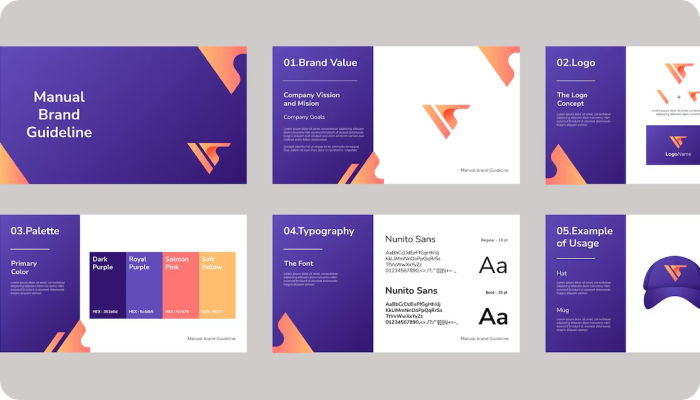
From the moment a customer discovers your jewelry online to the thrill of unboxing their purchase, every interaction should be a reflection of your brand's unique essence. Each element—your website's design, the tone of your social media captions, the elegance of your packaging—weaves together a tapestry that forms your brand's identity. Creating a cohesive and memorable brand experience is essential for fostering customer loyalty and standing out in a competitive market. But how do you ensure this consistency across every touchpoint? That's where a powerful tool comes into play: the brand style guide.
Step 1: Consistency is Key: The Foundation of a Strong Brand Identity
A loyal customer visits your website and then stumbles upon your Instagram page. Do both platforms feel like they belong to the same brand? From the colors and fonts to the overall tone of voice, consistency across all touchpoints is crucial. A brand style guide establishes a set of rules and guidelines that guarantee this consistency, creating a unified brand experience for your customers.
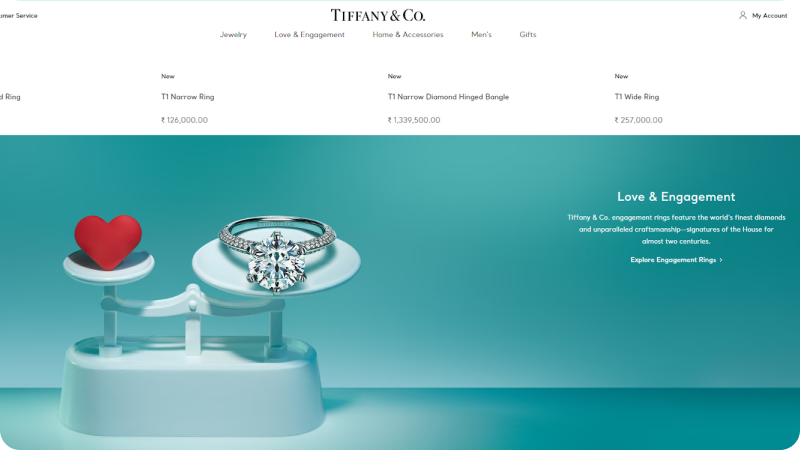
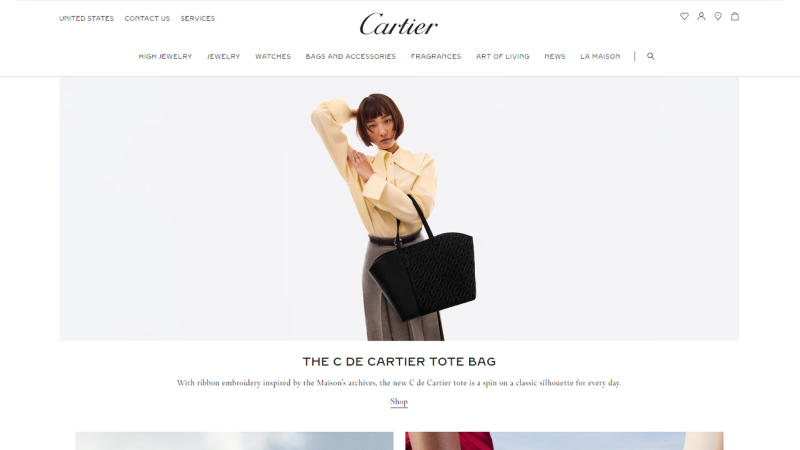
Think of iconic brands like Tiffany & Co. or Cartier. Their distinct visual identity—the Tiffany Blue box or the Cartier panther—instantly evokes their brand. Consistency is what makes these brands recognizable and memorable, and it's achievable for your jewelry business too.
- Building Trust and Recognition: The Power of Familiarity
When your brand elements are consistent, customers begin to recognize and associate certain visuals, language, and feelings with your jewelry. This familiarity breeds trust. Customers feel confident choosing your brand because they know what to expect, whether it's the quality of your craftsmanship or the level of customer service.
Moreover, a well-defined style guide creates a unique brand personality that sets you apart from the competition. It's the difference between blending in with the crowd and standing out as a memorable and desirable brand.
- Saving your Time and Money
A brand style guide puts an end to useless, time-consuming discussions. It clearly outlines the fonts, colors, and other visual elements that should be used, ensuring everyone involved in the design process is on the same page. It acts as a central reference point for everyone involved in your brand's creative process, whether it's your in-house team or external partners like photographers and web designers.
By clearly outlining your brand's visual and verbal identity, you streamline the design process, avoid costly revisions, and ensure everyone is on the same page. This not only saves you valuable resources but also ensures faster turnaround times for your marketing materials.
- More Than Just Looks: A Holistic Brand Experience
Your brand style guide is more than just a list of colors and fonts. It's a blueprint for creating a holistic brand experience that extends beyond aesthetics. It should encompass everything from your product packaging and in-store displays to the way your staff answers the phone.
By aligning all aspects of your business with your brand style guide, you create a cohesive and memorable experience for your customers, one that leaves a lasting impression and fosters a deep connection with your brand.
Step 2: Essential Elements of a Jewelry Brand Style Guide: The Building Block
Now that we understand the 'why' behind a brand style guide, let's dive into the 'what.' These are the essential components that should be included in your jewelry brand's style guide:
Think of your brand story as a narrative that weaves together your brand's history, values, and aspirations. It's the emotional hook that captures your customers' hearts and minds.
Weave a Narrative: Share the story of your brand's inception. What sparked your passion for jewelry? Was there a pivotal moment or experience that led you to start your business?
Unveil Your Values: What principles guide your craftsmanship and business practices? Are you committed to sustainability, ethical sourcing, or supporting local artisans?
Paint a Picture: Describe the emotions you want your jewelry to evoke in your customers. Do you want them to feel empowered, confident, loved, or celebrated?
For example, if your brand champions sustainable practices, your story might highlight your commitment to using recycled metals and ethically sourced gemstones. This narrative not only resonates with eco-conscious consumers but also sets you apart from brands that don't prioritize these values.
Distill your brand story into a concise and compelling elevator pitch—a brief statement that encapsulates the essence of your brand in a way that's easy to understand and remember. Imagine yourself in an elevator with a potential customer. You have 30 seconds to make a lasting impression. What would you say?
Your elevator pitch should answer these questions:
What do you offer? (Exquisite handcrafted jewelry)
Who is it for? (Modern women seeking unique statement pieces)
What makes you different? (Ethical sourcing, personalized designs)
By honing your elevator pitch, you create a powerful tool for communicating your brand's value proposition in any situation, whether it's a networking event or a casual conversation with a potential client.
Understanding your target audience is essential for creating a brand that truly resonates. While demographics like age, gender, and income provide valuable insights, it's equally important to delve into psychographics—the attitudes, interests, and values of your ideal customer.
Beyond Demographics
Consider the lifestyle of your target audience.
Are they busy professionals who value timeless pieces that complement their everyday attire?
Are they fashion enthusiasts who seek unique and trendy jewelry to express their personal style?
Or are they perhaps sentimental gift-givers who prioritize the emotional value and meaning behind a piece of jewelry?
Understanding these nuances helps you tailor your brand messaging and create marketing campaigns that speak directly to your customers' desires and aspirations.
Pain Points: Addressing Customer Challenges
What problems do your customers face when shopping for jewelry? Is it a lack of unique or personalized options? Are they overwhelmed by the vast selection available online? Or perhaps they struggle to find jewelry that aligns with their values, such as sustainability or ethical sourcing?
By identifying and addressing these pain points in your brand messaging, you position yourself as a solution provider, someone who understands and caters to your customers' specific needs.
Creating a Customer Persona

To truly visualize your ideal customer, create a detailed customer persona. Give your persona a name, a photo, a backstory, and a set of preferences. Outline their demographics, lifestyle, interests, values, and pain points.
For instance, your persona might be "Sarah," a 35-year-old professional woman who loves minimalist jewelry and values ethical sourcing. She struggles to find unique pieces that reflect her personal style and are made with sustainable materials.
By creating a persona like Sarah, you have a tangible representation of your target audience that helps you make informed decisions about your brand's messaging, design, and product offerings.
The Face of Your Brand: Logo Usage
Your logo is the visual cornerstone of your brand, instantly communicating who you are and what you stand for. It's the most recognizable asset in your brand's arsenal, so its proper usage is paramount.
Clear Space: A logo needs room to breathe. Define the minimum clear space, or the empty area surrounding your logo, that's necessary to maintain its integrity and prevent it from being crowded by other elements. This ensures legibility and visual impact, whether it's on a business card or a billboard.
Backgrounds: Not all backgrounds are created equal. Some may clash with your logo's colors or intricate details. Specify acceptable background colors and patterns to ensure your logo always looks its best. For example, a delicate script logo might get lost on a busy floral background, while a bold geometric logo can handle a more dynamic backdrop.
Unacceptable Uses: Be explicit about what's not allowed. This includes stretching, distorting, altering colors, adding drop shadows, or placing the logo over busy images. By setting clear boundaries, you protect the integrity of your logo and prevent it from being misused or misrepresented.
Remember, your logo is a visual ambassador for your brand. Treat it with respect and ensure its usage guidelines are followed diligently to maintain a consistent and professional image.
Evoke Emotions with Color: Your Brand Palette
Colors are powerful tools that can evoke specific emotions and associations. Your brand's color palette is a key element of your visual identity, influencing how customers perceive your jewelry and your brand as a whole.
Color Psychology: Each color carries a unique meaning and psychological impact. For example, gold is often associated with luxury and prestige, while silver conveys elegance and sophistication. Green can represent nature and growth, while blue signifies trust and tranquility. Consider the emotions you want your brand to evoke and choose colors that align with those feelings.
Primary and Secondary Colors: Identify your primary and secondary colors. Primary colors are the dominant hues in your brand's visual identity, while secondary colors complement and support the primary ones. For instance, your primary color might be a deep sapphire blue, symbolizing luxury, while your secondary colors could be gold and white, adding warmth and elegance.
Color Ratios: If you're using multiple colors, specify the ratio in which they should be used. For example, you might stipulate that your primary color should occupy 60% of the visual space, while the secondary colors share the remaining 40%. This ensures a balanced and harmonious visual identity.
Feels too much right?
You have to juggle between clients and creating exceptional jewelry and now this???
Well! It doesn't have to be this way. We can create the perfect brand strategy for you with Marketing Hub, powered by JewelExperts.com.
Marketing Hub provides you with Jewelry Branding Services in Antwerp, and also manages the online reputation for your Jewelry Business.
We can help create a strategy for you today, Free.
By carefully curating your color palette, you create a visual language that communicates your brand's personality and resonates with your target audience.
Setting the Scene: Imagery and Photography
The images you use to showcase your jewelry are crucial for capturing the attention of potential customers and conveying the essence of your brand. Your style guide should provide clear guidelines for the type of imagery and photography that aligns with your brand's aesthetic.
Creating a Mood Board: A mood board is a visual collage of images, textures, colors, and even typography that represent the desired look and feel of your brand. Gather inspiration from magazines, websites, Pinterest, and other sources to create a cohesive visual representation of your brand's personality.
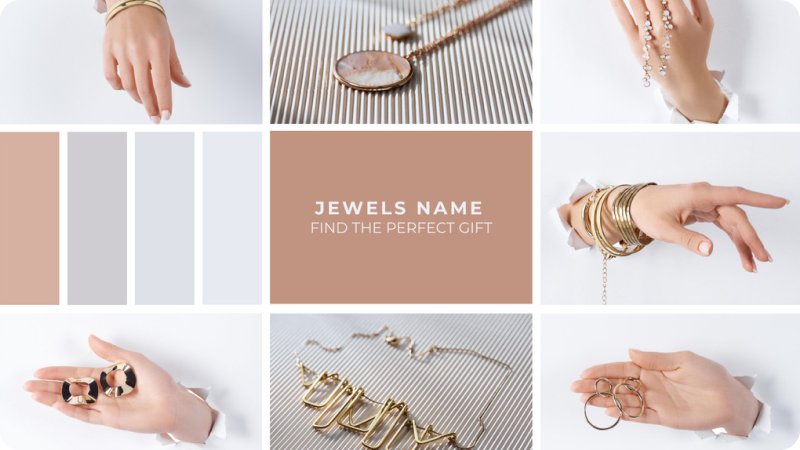
Styling Tips: Offer specific guidance on how to style your jewelry for photoshoots. What kind of backdrops should be used? What lighting conditions work best? Should models be used, and if so, what kind of styling should they have? Consider the mood and atmosphere you want to create and provide detailed instructions to ensure consistency across all your visual content.
Consistency is Key: Ensure all images used on your website, social media, and marketing materials align with your mood board and overall brand aesthetic. This includes product photos, lifestyle shots, and any other visual content you create.
By providing clear and detailed instructions on imagery and photography, you empower your team to create visually stunning content that showcases your jewelry in its best light and reinforces your brand's unique identity.
Step 3: Additional Elements for a Comprehensive Jewelry Style Guide
While the foundational elements discussed in Step 2 lay the groundwork for your brand style guide, there are additional components that cater specifically to the unique nature of the jewelry industry. Let's delve into these details:
The way you present your jewelry is an art in itself. Whether it's in a physical store, online, or at an exhibition, your displays should enhance the beauty of your pieces and reflect your brand's personality.
Lighting: Proper lighting is crucial for showcasing the brilliance and sparkle of your jewelry. Specify the ideal lighting types (e.g., warm incandescent, cool LED), angles, and color temperatures that best illuminate your pieces. Offer examples of well-lit jewelry displays to guide your team.
Backgrounds: Choose backgrounds that complement your jewelry designs. Neutral colors like white, black, or gray are often used to create a minimalist and elegant look. Alternatively, natural elements like wood, stone, or fabric can add warmth and texture. If your brand has a specific theme (e.g., bohemian, vintage, or modern), incorporate those elements into your background choices.
Props: Props can add interest and context to your jewelry displays. For instance, if you sell engagement rings, consider using velvet ring boxes or floral arrangements to create a romantic atmosphere. If your jewelry is inspired by nature, incorporate natural elements like leaves, flowers, or seashells.
Consistency Across Platforms: Ensure that your display guidelines are consistent across all platforms, whether it's your brick-and-mortar store, online shop, or social media. This creates a cohesive brand experience for your customers, no matter where they encounter your jewelry.
The Unboxing Experience: Packaging Standards
The moment a customer receives your jewelry should be memorable. Thoughtful and well-designed packaging enhances the perceived value of your product and creates a lasting impression.
Materials: Choose packaging materials that align with your brand's values and aesthetic. Are you a luxury brand that uses velvet boxes and satin ribbons? Or do you prioritize sustainability and opt for recycled materials and minimal packaging?
Colors and Design: Specify the colors, patterns, and design elements that should be used on your packaging. Ensure they complement your logo and overall brand identity.
Branded Elements: Consider incorporating branded elements like your logo, tagline, or a personalized note to add a special touch.
Functionality: While aesthetics are important, don't overlook functionality. Ensure your packaging protects your jewelry during shipping and provides a pleasant unboxing experience for your customers.
Step 4: Creating a User-Friendly Brand Style Guide
Now that you've gathered all the essential elements, it's time to compile them into a user-friendly brand style guide. This document should be a comprehensive reference that your team can easily consult whenever they need guidance on representing your brand.
Design Matters: Your Style Guide as a Branding Tool
Your brand style guide is an extension of your brand itself, so it should be visually appealing and reflect your brand's personality. Consider hiring a graphic designer to help you create a professionally designed guide that's both informative and engaging.
Layout: Use a clear and intuitive layout with ample white space, headings, and subheadings to guide the reader through the document.
Visuals: Incorporate high-quality images of your logo, color palette, fonts, and examples of how they should be used in different contexts.
Interactive Elements: If you're creating a digital style guide, consider adding interactive elements like clickable links, hover effects, and expandable sections to make it more engaging and user-friendly.
Accessible Format: Think of Your Users
Make your style guide easily accessible to your team. You can choose from various formats:
Downloadable PDF: This is a standard format that can be easily shared and printed. Consider using a PDF viewer with interactive features to enhance navigation.
Cloud-Based Platform: Platforms like Canva or Google Slides offer collaboration features and allow for real-time updates, ensuring everyone has access to the latest version of the style guide.
Printed Booklet: A physical booklet can be a nice touch for your team, especially if they prefer a tangible reference.
Step 5: Implementing and Maintaining Your Style Guide: Living and Breathing Your Brand
Creating a brand style guide is a significant achievement, but it's not the end of the journey. The true value of your style guide lies in how effectively it's implemented and maintained within your organization.
Share Widely: Empower Your Team
Distribute your brand style guide to everyone who plays a role in representing your brand. This includes:
Internal Team: Your employees, designers, marketers, and customer service representatives should all have access to the style guide. Encourage them to use it as a reference for creating any brand-related materials.
External Partners: Share your style guide with any external partners you work with, such as photographers, web designers, and advertising agencies. This ensures that everyone understands your brand's visual and verbal identity and can create content that aligns with it.

Consider hosting a workshop or training session to walk your team through the style guide and answer any questions they may have. This will help ensure that everyone understands the guidelines and is on board with maintaining brand consistency.
Regular Updates: Evolve with Your Brand
Your brand is not static, and neither should your style guide be. As your business grows and evolves, your brand identity might also shift. Regularly review your style guide and update it as needed to reflect any changes in your brand's messaging, target audience, or product offerings.
For example, if you launch a new collection that has a different aesthetic than your existing jewelry lines, you might need to add a new color palette or imagery guidelines to your style guide. Similarly, if you expand your target audience to include a new demographic, you might need to adjust your brand voice and tone accordingly.
Feedback and Collaboration: A Continuous Process
Creating a brand style guide is not a one-and-done task. It's a continuous process that requires ongoing collaboration and feedback. Encourage your team to provide input and suggestions for improvement.
For example, if your marketing team notices that certain social media posts consistently perform better than others, analyze those posts to see if there are any patterns or elements that could be incorporated into your style guide.
By fostering a culture of collaboration and continuous improvement, you ensure that your brand style guide remains relevant, effective, and aligned with your evolving brand identity.
Additional Tips for Implementation
Make it Easily Accessible: Store your style guide in a central location where everyone can easily access it. This could be a shared folder on your company's intranet or a cloud-based platform.
Create Templates: Develop templates for common marketing materials like social media posts, email newsletters, and product descriptions that align with your style guide. This will save time and ensure consistency across all your communications.
Regularly Audit Your Brand: Conduct periodic audits of your brand's visual and verbal presence to ensure everything is consistent with your style guide. This includes checking your website, social media, packaging, and any other materials that represent your brand.
By following these steps and continuously refining your brand style guide, you'll create a strong and recognizable brand identity that resonates with your customers and sets your jewelry business apart from the competition. Remember, your brand is a living entity, and your style guide should evolve alongside it.
Conclusion
Crafting a brand style guide is your blueprint for creating a consistent and memorable brand identity. It's the guiding star that ensures every element of your brand—from your logo and color palette to your visual imagery and brand voice—works together harmoniously. By investing time and effort into crafting a comprehensive style guide, you'll empower your team, create a cohesive brand experience, and ultimately build a jewelry brand that shines as brightly as your most exquisite creations.
We understand that building a brand from the ground up can be a daunting task. It requires time, resources, and a deep understanding of branding principles. That's where JewelExperts.com comes in, providing the Best digital marketing for jewelers in Antwerp. Our team of experienced branding experts can help you navigate the complexities of brand creation and develop a comprehensive brand style guide that captures the essence of your jewelry business.