+32 460 23 96 44

On this page
- Why KPIs Are Your Business's Best Friend ?
- In the complex world of commerce, data is your most valuable asset. And Key Performance Indicators (KPIs) are the tools that unlock its true potential. Think of KPIs as your business's personal navigation system, providing you with real-time insights into every facet of your operations. They're not just numbers; they're your compass, guiding you towards a brighter, more prosperous future. KPIs empower you to make decisions based on facts, not guesswork. Whether you're a seasoned jeweler with a well-established brand or an emerging entrepreneur carving your own niche, tracking the right KPIs can revolutionize your business.
- The Essential KPIs
- Financial KPIs:
- Sales Revenue
- Gross Profit Margin
- Inventory Turnover
- Average Order Value (AOV)
- Return on Investment (ROI)
- Operational KPIs: Fine-Tuning Your Business Operations
- Sell-Through Rate
- Production Efficiency
- Customer Acquisition Cost (CAC)
- Employee Productivity
- Customer-Focused KPIs: Nurturing Relationships That Sparkle
- Implementing a KPI Tracking System: From Data to Diamonds
- Conclusion: Your Jewelry Business, Refined by Data

As a jeweler, you're an artist, expressing creativity and skill in each unique piece you craft. Your dedication and expertise shine through in every design, transforming precious metals and gemstones into wearable works of art.You meticulously handpick each gemstone, carefully sculpt each design, and breathe life into precious metals, transforming them into wearable works of art that tell a story, evoke emotions, and celebrate life's most precious moments.
But behind the artistry lies a business. A business that, like any other, needs to be nurtured, managed, and grown. And in today's dynamic and competitive jewelry market, success isn't solely determined by the beauty of your creations. It's also about understanding your customers, optimizing your operations, and making informed decisions that drive profitability and growth and that is where the analysis of Key Performance Indicators or KPIs can help you.
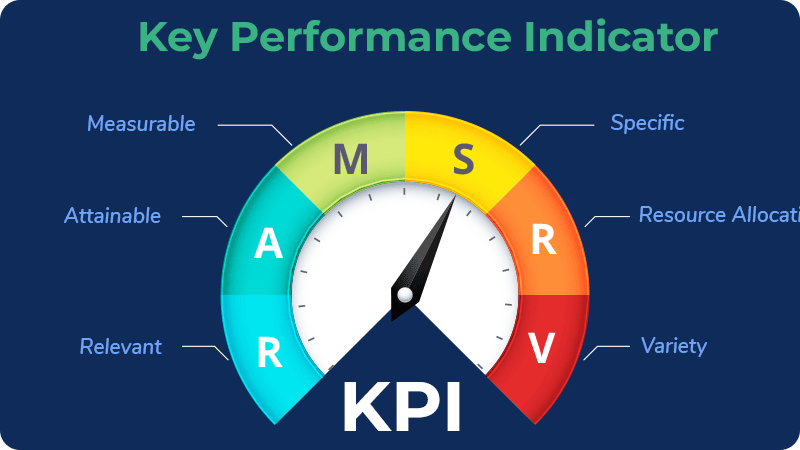
Why KPIs Are Your Business's Best Friend?
In the complex world of commerce, data is your most valuable asset. And Key Performance Indicators (KPIs) are the tools that unlock its true potential. Think of KPIs as your business's personal navigation system, providing you with real-time insights into every facet of your operations. They're not just numbers; they're your compass, guiding you towards a brighter, more prosperous future. KPIs empower you to make decisions based on facts, not guesswork. Whether you're a seasoned jeweler with a well-established brand or an emerging entrepreneur carving your own niche, tracking the right KPIs can revolutionize your business.
Consider these scenarios:
You've launched a new line of vintage-inspired engagement rings. Are they capturing the hearts of modern couples, or are they missing the mark? By monitoring the sell-through rate, you can quickly identify which designs are resonating and which might need a bit of reimagining.
You've invested in a series of social media campaigns. Are they driving traffic to your online store and translating into sales? By analyzing website traffic and conversion rates, you can pinpoint the most effective platforms and fine-tune your marketing strategy.
You're committed to providing exceptional customer service. Are your efforts paying off in terms of customer loyalty and repeat business? The Net Promoter Score (NPS) and repeat purchase rate can reveal how satisfied your customers are and what you can do to exceed their expectations.
Unleash the Power of Data-Driven Decision-Making:
The benefits of tracking KPIs are undeniable and far-reaching, transforming your jewelry business into a data-driven powerhouse. Additionally, KPIs illuminate inefficiencies and bottlenecks in your operations, paving the way for streamlined processes and cost savings. But the true magic of KPIs lies in their ability to foster lasting customer relationships. By understanding what your customers value most, you can personalize their experiences, boosting satisfaction and cultivating a loyal following of brand advocates. And finally, with data as your guide, you can make smarter investments, allocating resources where they'll have the greatest impact and propelling your business towards greater profitability and growth. In essence, KPIs empower you to make informed decisions that harmonize creativity and commerce, setting your jewelry business up for enduring success in the ever-evolving world of jewelry.
Let’s embark on a Journey of Data-Driven Discovery - This comprehensive guide will take you on a journey through the world of KPIs. We'll explore the different types of metrics that matter most for jewelry businesses, show you how to calculate them with ease and reveal the secrets of building a robust KPI tracking system that aligns with your specific goals.
Get ready to transform your jewelry business into a data-driven powerhouse, where creativity and commerce harmoniously intertwine. By embracing the power of KPIs, you'll gain the insights you need to make informed decisions, drive growth, and achieve lasting success in the ever-evolving world of jewelry.
The Essential KPIs
Just as a master jeweler carefully selects the perfect tools for each task, you need to choose the right KPIs to measure your business's performance effectively. There's a wide array of metrics available, each shedding light on a different facet of your operations. Let's explore the three main categories that every jeweler should consider:
Financial KPIs:
These metrics are the backbone of your jewelry business, providing a crystal-clear view of its financial well-being and growth potential. Let's take a closer look at each one:
Sales Revenue
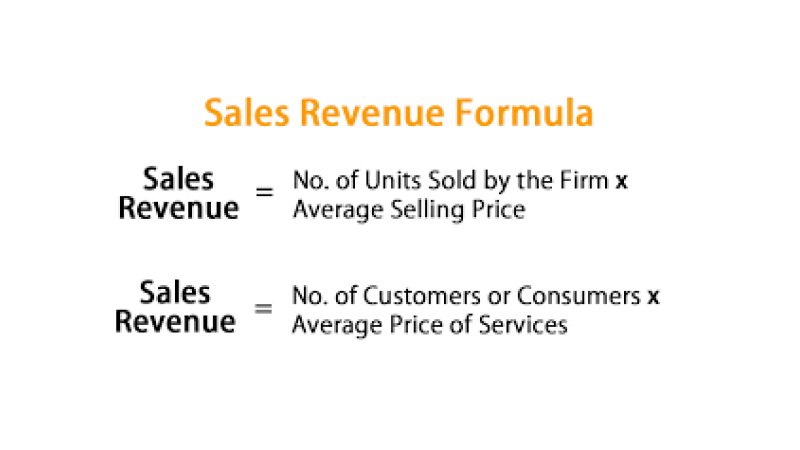
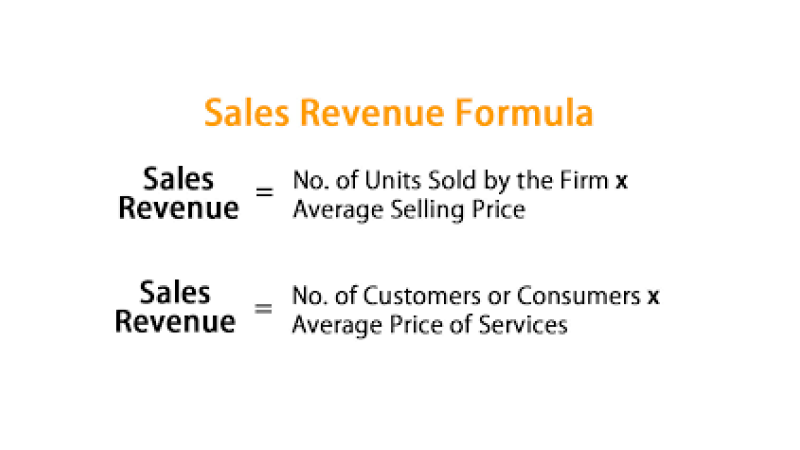
This is the lifeblood of your business—the total income generated from all your jewelry sales. It's a fundamental indicator of your overall performance, reflecting the demand for your products and the effectiveness of your sales strategies. By tracking sales revenue over time, you can identify trends, seasonal fluctuations, and the impact of promotions or new product launches. This information can guide your inventory planning, marketing efforts, and overall business strategy.
Gross Profit Margin
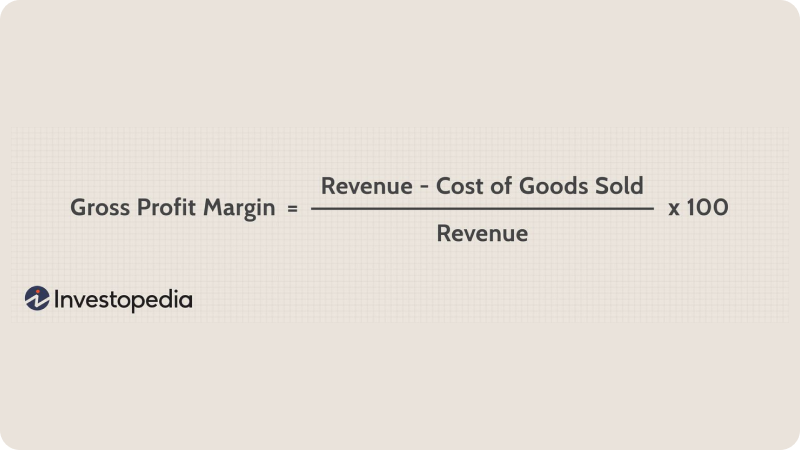
This metric goes beyond just revenue, revealing how much profit you're actually making on each sale. It's calculated by subtracting the cost of goods sold (COGS) from your revenue and expressing it as a percentage. A healthy gross profit margin is essential for covering your operating expenses and reinvesting in your business. By monitoring this KPI, you can assess the profitability of individual products or product lines, adjust your pricing strategies, and identify opportunities to reduce production costs.
Inventory Turnover
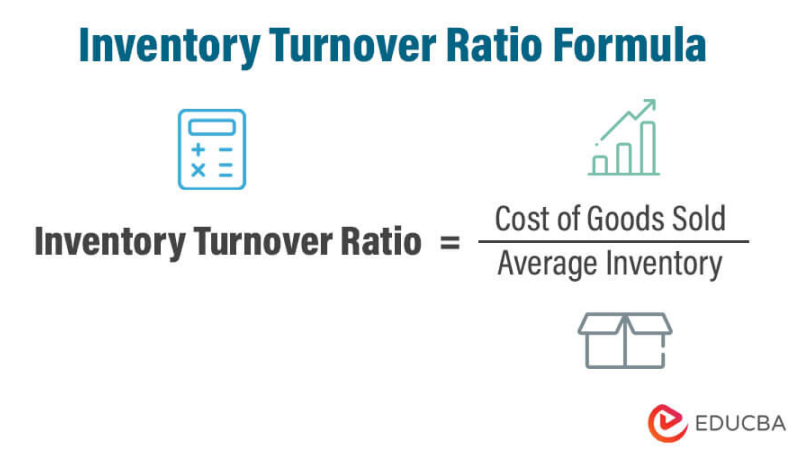
This measures how efficiently you're managing your inventory. It tells you how many times your entire inventory is sold and replaced within a specific period, usually a year. Calculate it by dividing the cost of goods sold (COGS) by the average inventory value during that period. A high inventory turnover rate (ideally between 4 and 8 for jewelry) indicates healthy sales and well-managed stock. A low rate might signal overstocking, slow-moving items, or pricing issues that need to be addressed.
Average Order Value (AOV)
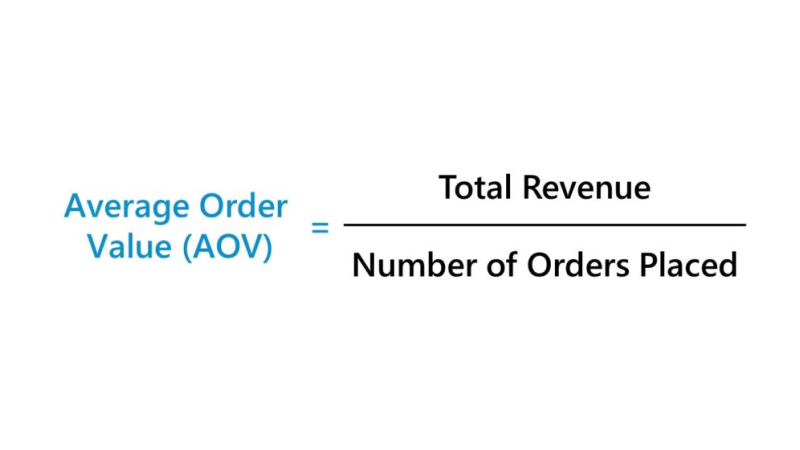
This KPI reveals the average amount customers spend per transaction. It's calculated by dividing your total revenue by the number of orders. Increasing your AOV can be a powerful lever for boosting revenue. You can achieve this by offering bundled products, upselling complementary items, or incentivizing larger purchases. By tracking your AOV, you can identify opportunities to enhance your sales tactics and maximize the value of each customer interaction.
Return on Investment (ROI)
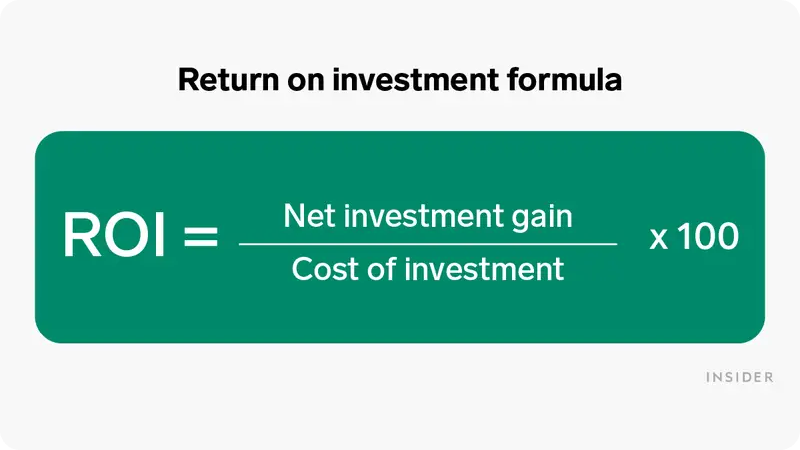
This metric evaluates the effectiveness and profitability of your marketing campaigns, advertising initiatives, or other investments. It's calculated by subtracting the cost of the investment from the gain attributed to that investment, dividing that number by the cost of the investment, and multiplying by 100%. This results in a percentage that indicates your return relative to the investment. By focusing on high-ROI initiatives, you can allocate your resources more effectively and drive sustainable growth.
In addition to these core financial KPIs, you might also want to consider tracking metrics like net profit margin (profit after all expenses), cost of goods sold (COGS), and break-even analysis (the point at which your revenue equals your expenses). Each of these metrics offers a different perspective on your financial performance and can help you make informed decisions about pricing, inventory, marketing, and overall business strategy.
Net Profit Margin: (Net Profit / Revenue) * 100%
Cost of Goods Sold (COGS): Beginning Inventory + Purchases - Ending Inventory
Break-Even Analysis: Fixed Costs / (Average Price per Unit - Variable Costs per Unit)
By diligently monitoring and analyzing these financial KPIs, you can gain a deep understanding of your business's financial health, identify areas for improvement, and make data-driven decisions that lead to increased profitability and long-term success.
Operational KPIs: Fine-Tuning Your Business Operations
These metrics offer a window into the inner workings of your jewelry business, shedding light on how efficiently you operate and where you can make improvements. By tracking these KPIs, you can streamline processes, boost productivity, and ultimately enhance your bottom line.
Sell-Through Rate
This KPI tells you what percentage of your inventory is sold within a specific period, usually a month or a season. It's calculated by dividing the number of units sold by the number of units available for sale, then multiplying by 100%. A high sell-through rate indicates strong demand and efficient inventory management, while a low rate may signal overstocking or the need for pricing adjustments.
Production Efficiency
If you manufacture your own jewelry, this metric is crucial for evaluating how efficiently you're creating each piece. It can be measured by tracking the time and cost it takes to produce a specific item or a batch of items. By identifying bottlenecks in your production process, you can implement improvements to increase output, reduce costs, and ensure timely delivery to customers.
Customer Acquisition Cost (CAC)
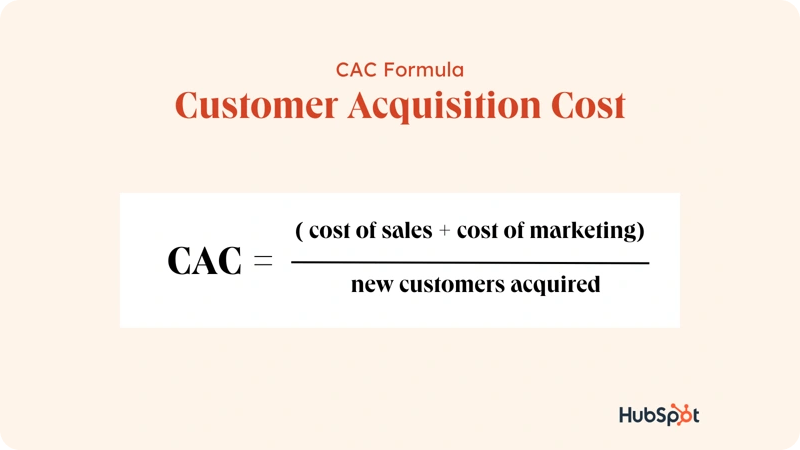
This KPI reveals the average cost of acquiring a new customer. To calculate it, divide your total marketing and sales expenses (including advertising, promotions, and staff salaries) by the number of new customers acquired during a specific period. Understanding your CAC helps you evaluate the effectiveness of your marketing strategies and determine which channels are most cost-effective for attracting new business.
Employee Productivity
This metric measures the output of your employees, whether it's sales generated per salesperson, tasks completed per hour, or other relevant performance indicators. It can be calculated by dividing the total output by the number of employees or work hours. By tracking employee productivity, you can identify top performers, recognize areas for improvement, and ensure your team is working efficiently to achieve your business goals.
Customer-Focused KPIs: Nurturing Relationships That Sparkle
Your customers are the heart and soul of your jewelry business. They're not just transactions; they're individuals with unique tastes, preferences, and stories. By understanding their needs and desires, you can build lasting relationships that go beyond a single purchase. These customer-focused KPIs illuminate the path to cultivating loyal clientele and fostering a thriving community around your brand.
Customer Satisfaction: This metric gauges how happy your customers are with your products, services, and overall experience. It can be measured through various methods, such as surveys, feedback forms, online reviews, or even casual conversations. You can calculate a simple customer satisfaction score by dividing the number of positive responses by the total number of responses and multiplying by 100%. But remember, it's not just about the numbers; it's about understanding the why behind them. Dive into the feedback you receive to uncover areas for improvement and opportunities to delight your customers.
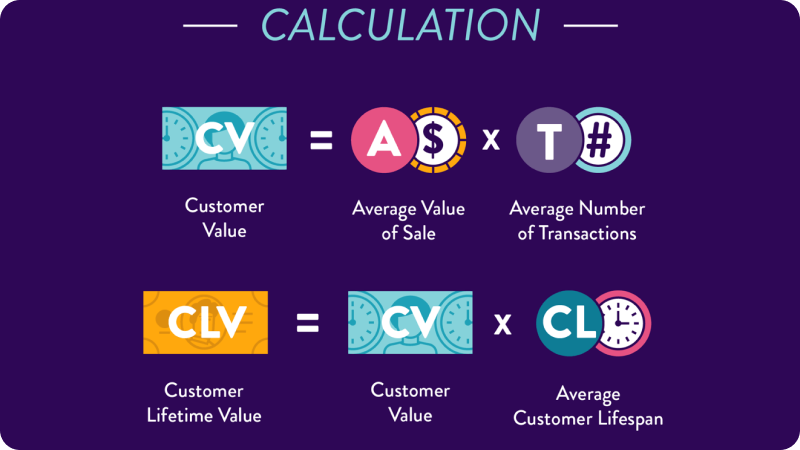
Customer Lifetime Value (CLTV): This valuable metric represents the total revenue a customer is expected to generate throughout their relationship with your business. It takes into account their average purchase frequency, average order value, and estimated customer lifespan. While the calculation can be complex, the principle is simple: the higher the CLTV, the more valuable the customer. By focusing on increasing CLTV, you can prioritize long-term customer relationships over short-term gains and build a sustainable, profitable business.
Net Promoter Score (NPS):
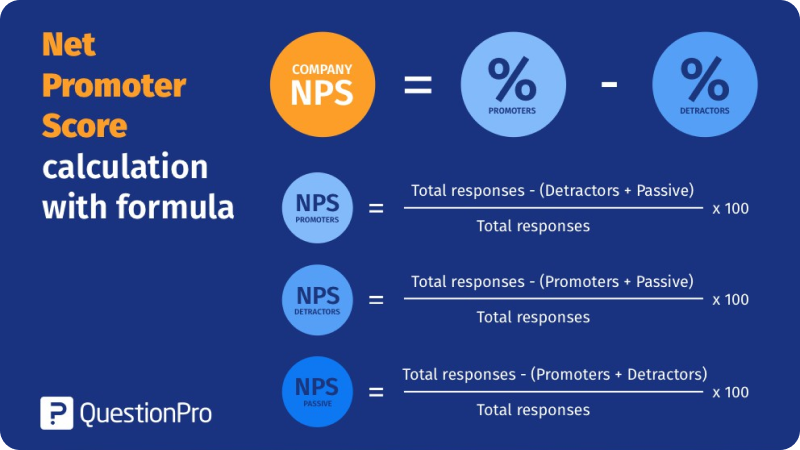
his simple yet powerful metric measures customer loyalty and their willingness to recommend your brand to others. It's based on a single question: "On a scale of 0 to 10, how likely are you to recommend our jewelry to a friend or colleague?" Customers who respond with 9 or 10 are your Promoters, while those who answer 6 or below are Detractors. To calculate your NPS, subtract the percentage of Detractors from the percentage of Promoters. The higher your NPS, the stronger your brand reputation and customer loyalty.
Repeat Purchase Rate: This metric tracks the percentage of customers who return to make another purchase. It's a clear indicator of customer satisfaction and loyalty. Calculate it by dividing the number of customers who have made more than one purchase by the total number of customers, then multiplying by 100%. A high repeat purchase rate is a testament to the quality of your products, the effectiveness of your marketing, and the overall customer experience you provide.
By investing in customer-focused KPIs, you're not just tracking numbers; you're building relationships. You're creating a loyal community of jewelry enthusiasts who cherish your brand and become your biggest advocates. And in the long run, that's the most valuable asset any jewelry business can have.
Tools and Resources:
Several software tools and platforms can streamline your KPI tracking and analysis. These range from basic spreadsheets to more sophisticated business intelligence platforms. Explore options like Google Analytics, Shopify analytics, or specialized jewelry business software to find the right fit for your needs.
Remember, the key to effective KPI tracking is consistency. Choose the metrics that matter most to your business and track them regularly. By making data a central part of your decision-making process, you'll unlock a world of insights that can drive your jewelry business to dazzling new heights.
Implementing a KPI Tracking System: From Data to Diamonds
Tracking KPIs isn't just about crunching numbers; it's about transforming raw data into actionable insights that can polish your business operations and create a brighter future. But where do you start? How do you build a system that seamlessly integrates into your daily routine and delivers meaningful results?
Follow this step-by-step guide to create a KPI tracking system that works for your unique jewelry business:
Choose Your Key Metrics:
Start by selecting the KPIs that align with your specific business goals. Don't feel obligated to track every metric under the sun. Instead, focus on the handful that will have the most significant impact on your decision-making. Consider your current challenges and priorities. Are you looking to increase sales? Improve customer satisfaction? Optimize inventory? Choose the KPIs that will provide the most relevant answers to your burning questions.
Determine Frequency of Measurement:
How often you track your KPIs will depend on the nature of the metric and your business cycle. Some KPIs, like daily sales revenue, might be monitored daily or weekly. Others, like customer lifetime value, might be analyzed monthly or quarterly. The key is to establish a consistent schedule that allows you to identify trends and patterns over time.
Set Realistic Targets:
KPIs are most effective when they're tied to specific, measurable goals. Don't just track your numbers; set targets that you want to achieve. These targets should be ambitious yet attainable, based on your historical data and industry benchmarks. Having clear targets in place provides you with a roadmap for success and allows you to measure your progress over time.
Monitor and Analyze Data:
This is where the real magic happens. Regularly review your KPI reports and analyze the data to identify trends, patterns, and outliers. Look for correlations between different metrics. For example, does a spike in social media engagement correlate with an increase in website traffic? Does a dip in customer satisfaction coincide with a rise in returns? By uncovering these connections, you can gain valuable insights into your customers' behavior and the effectiveness of your strategies.
Take Action and Adjust:
KPIs are not just for observation; they're for action. Use the insights you gain to make informed decisions that drive your business forward. If a particular marketing campaign isn't yielding the desired results, don't be afraid to pivot and try something new. If a product line is underperforming, consider adjusting your pricing or exploring new distribution channels. Remember, data is only valuable if it leads to action.
Tips for Success:
Start small and scale: Begin by tracking a few key KPIs and gradually expand your system as you become more comfortable with the process.
Embrace technology: Utilize software tools and platforms that automate data collection and analysis, freeing up your time for strategic decision-making.
Foster a data-driven culture: Encourage your team to embrace KPIs and use data to guide their daily activities.
Celebrate wins and learn from setbacks: Use your KPI data to recognize achievements and identify areas for growth.
By implementing a robust KPI tracking system, you'll gain a deeper understanding of your jewelry business than ever before. You'll be equipped to make data-driven decisions that enhance your operations, delight your customers, and pave the way for lasting success.
Remember, the path to success is paved with data-driven insights. Let KPIs be your trusted companion on this journey, guiding you towards a brighter, more prosperous future for your jewelry business.
Conclusion: Your Jewelry Business, Refined by Data
In the jewelry industry, data is crucial for success. KPIs are the tools to unlock insights from your data and drive growth. This guide explored the essential KPIs for jewelry businesses, covering financial, operational, and customer-focused metrics. Remember, tracking KPIs is about understanding the story behind your data and using it to make informed decisions. Focus on the right KPIs, track them consistently, set realistic targets, and take action based on insights. By embracing KPIs, you can lead a data-driven jewelry enterprise that's poised for success.
The future of your jewelry business is bright. But let's be honest, juggling all these metrics and calculations can be a real hassle. That's where we come in with Marketing Hub, our solution for creating strategic marketing strategies. Marketing Hub is a digital marketing agency for Jewelry Stores that provides content marketing, online reputation management, social media and ppc advertising services for your jewelry store.
So let Marketing Hub services simplify your KPI tracking and analysis. Partner with us, and we'll handle the data, so you can focus on what you do best: creating exquisite jewelry that captures hearts and imaginations.